Illinois
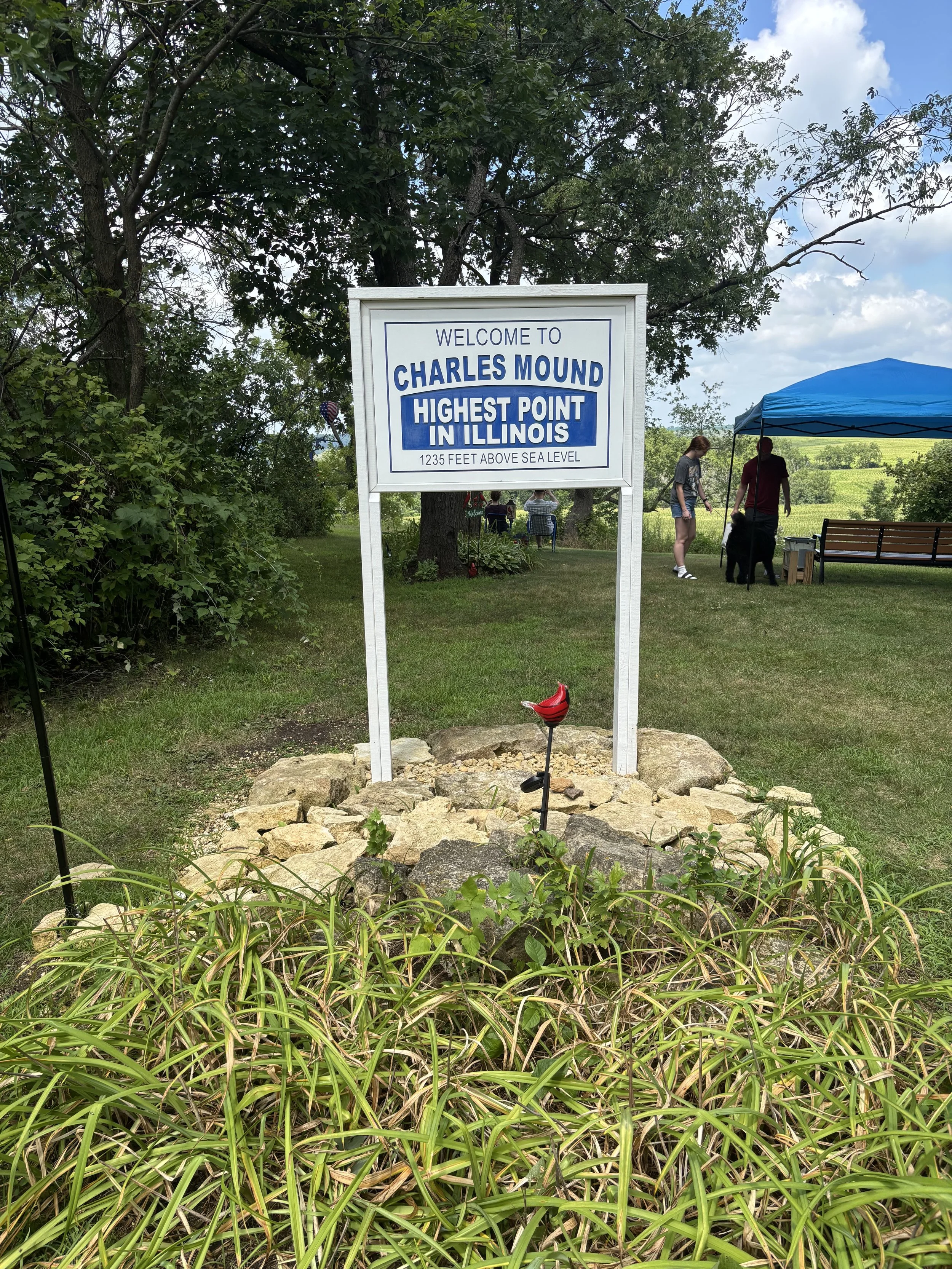
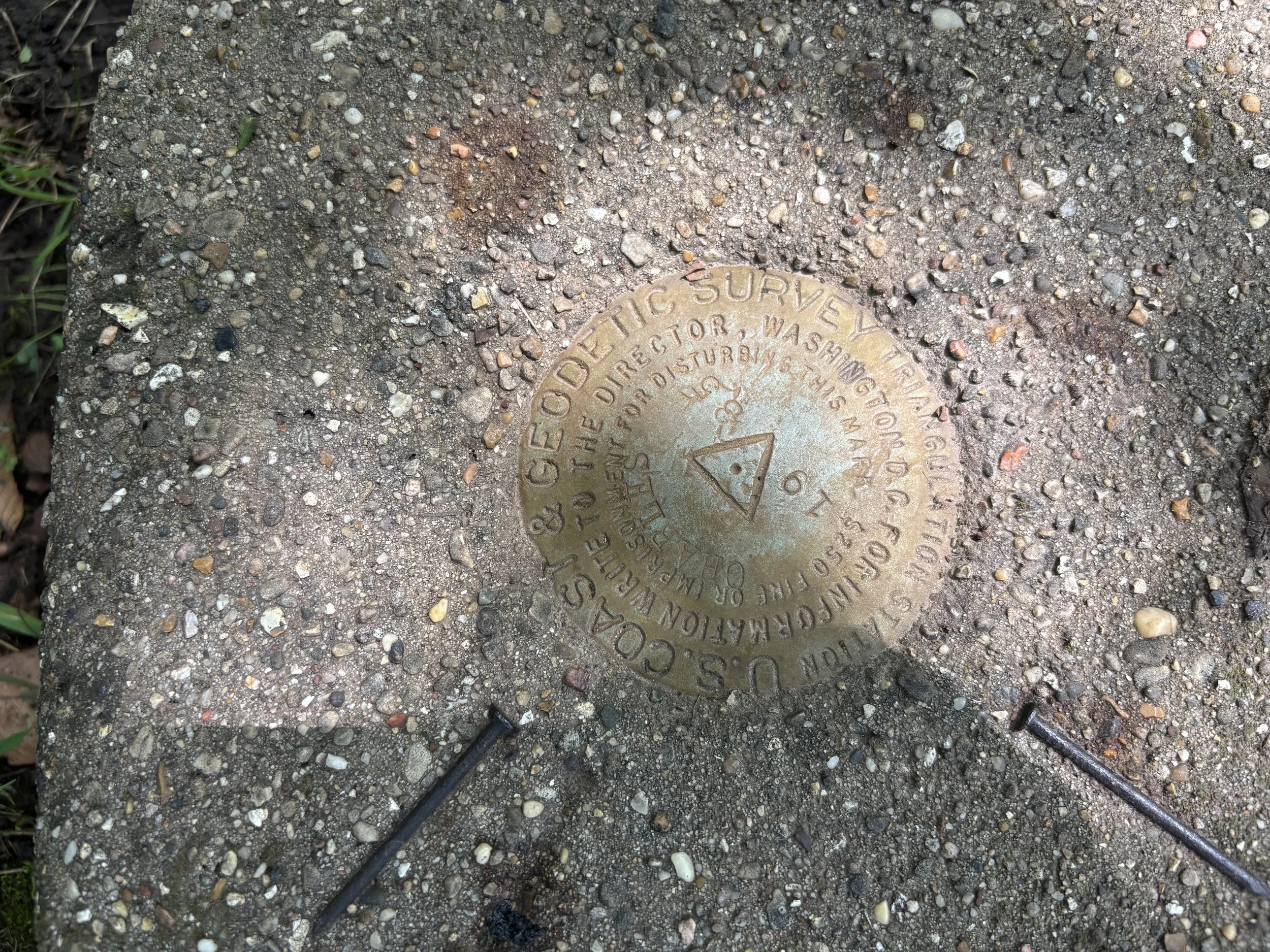
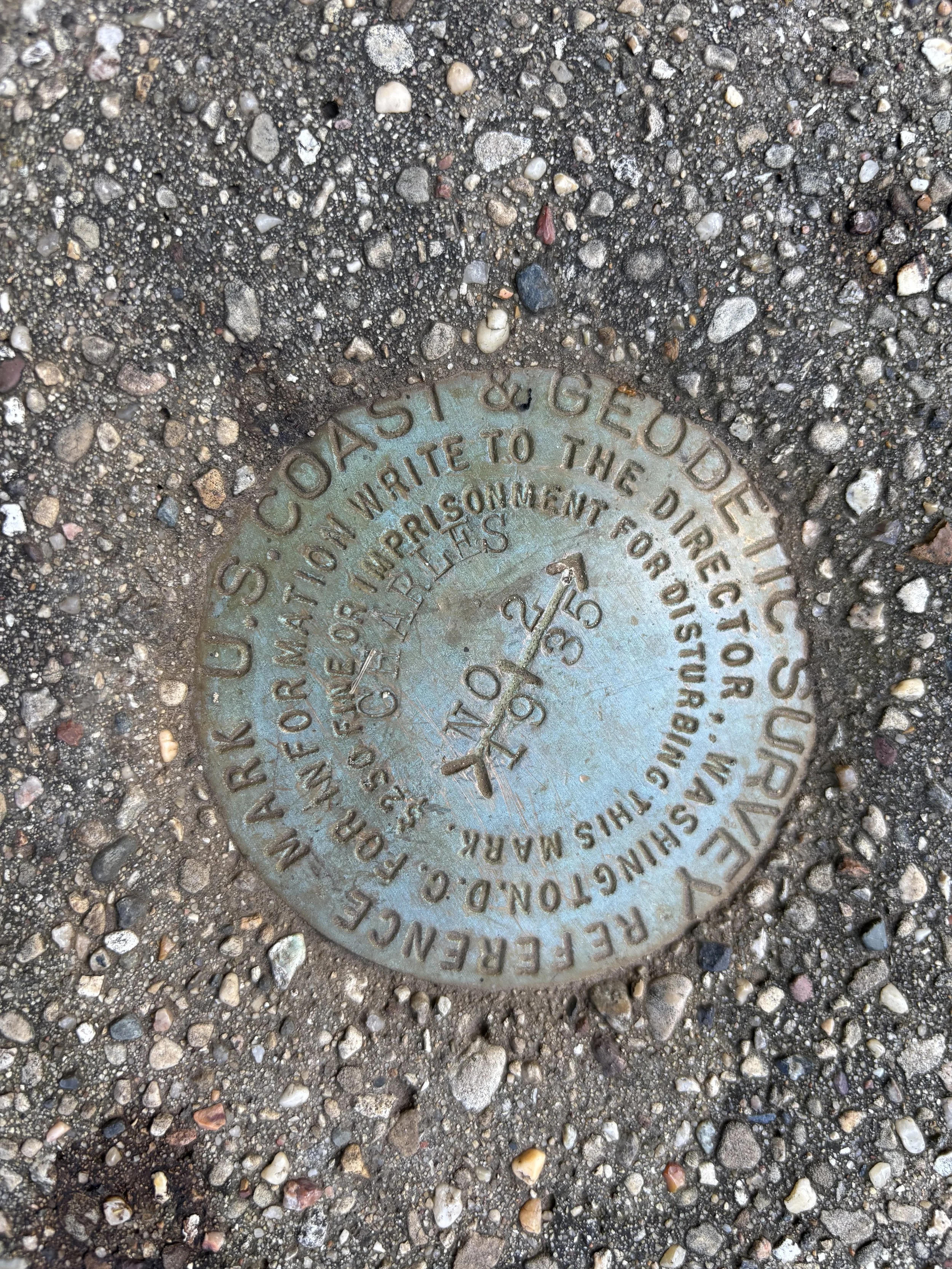
#36 Charles Mound, elevation 1,235 ft.
Lolla, de Kooning, and rare snails.
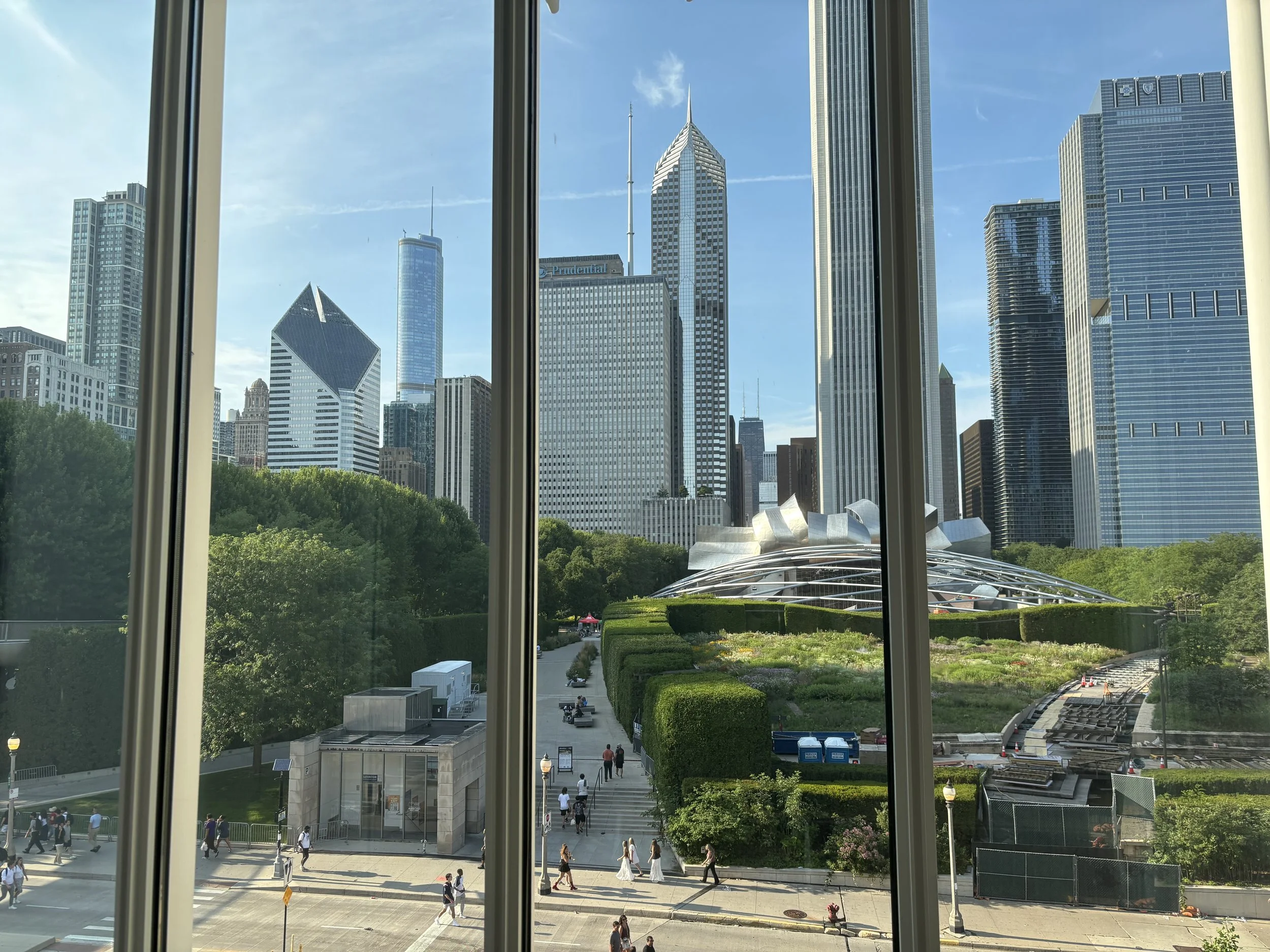
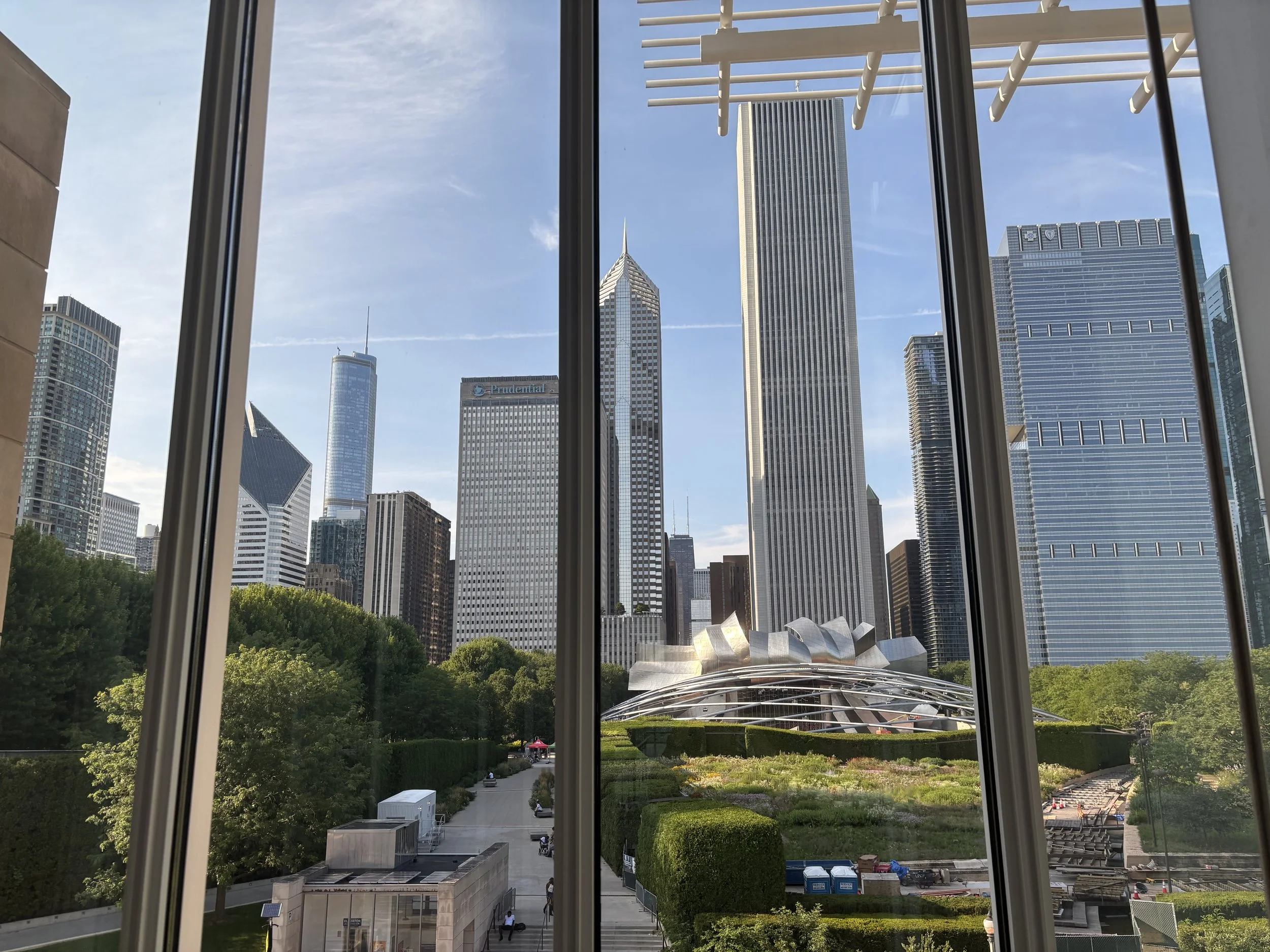
Perhaps foolishly and with clear ulterior motive, I consented to buy my daughter a trip to Lollapalooza 2026 as a high school graduation present. The festival, now permanently resident in Chicago’s Grant Park, attracts thousands upon thousands of mostly young music worshipers wearing little more than perspiration and anticipation for four days of seething ballads and hypnodrone rumblings. I took my Ventra pass straight to the Art Institute.
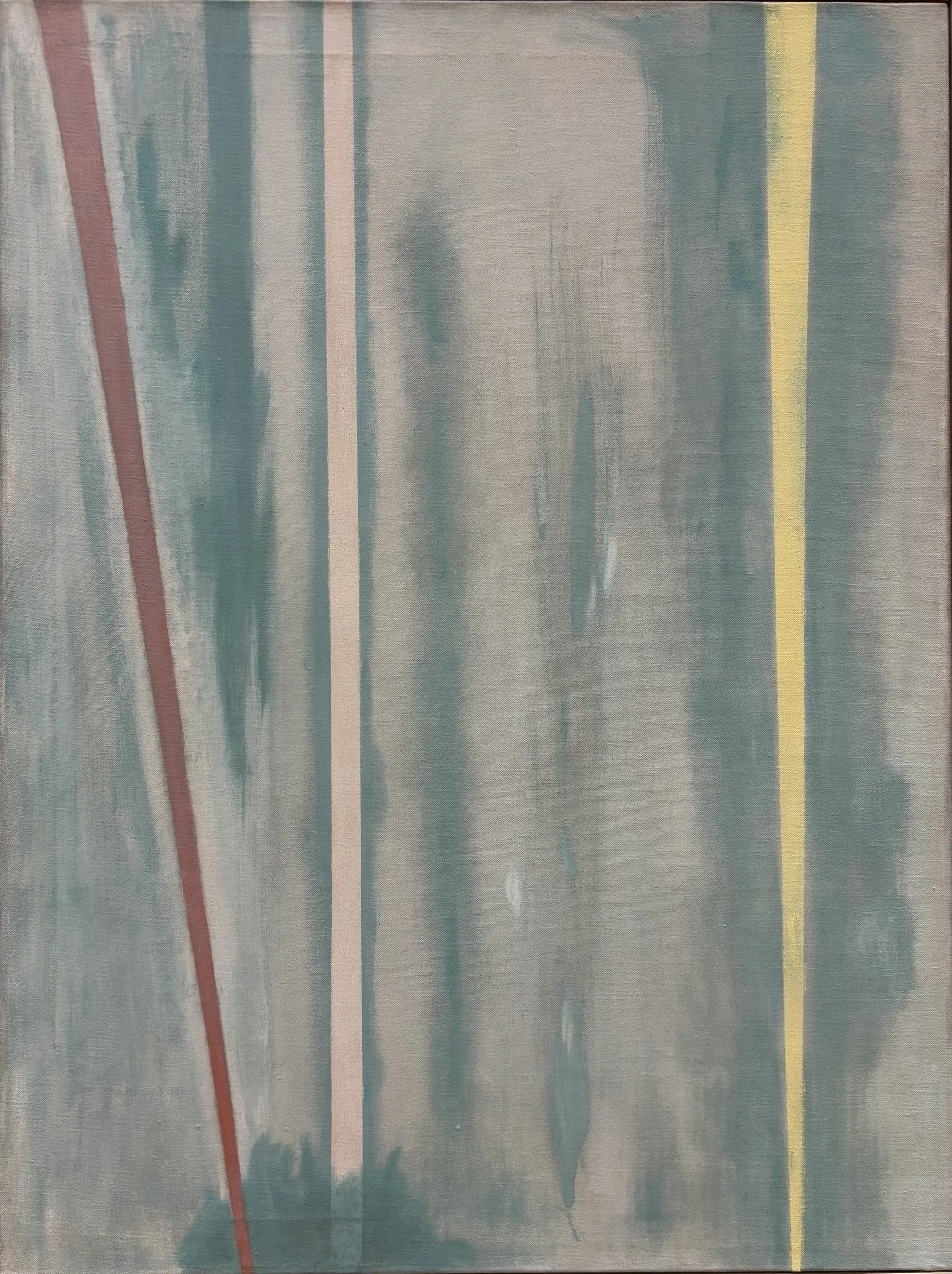
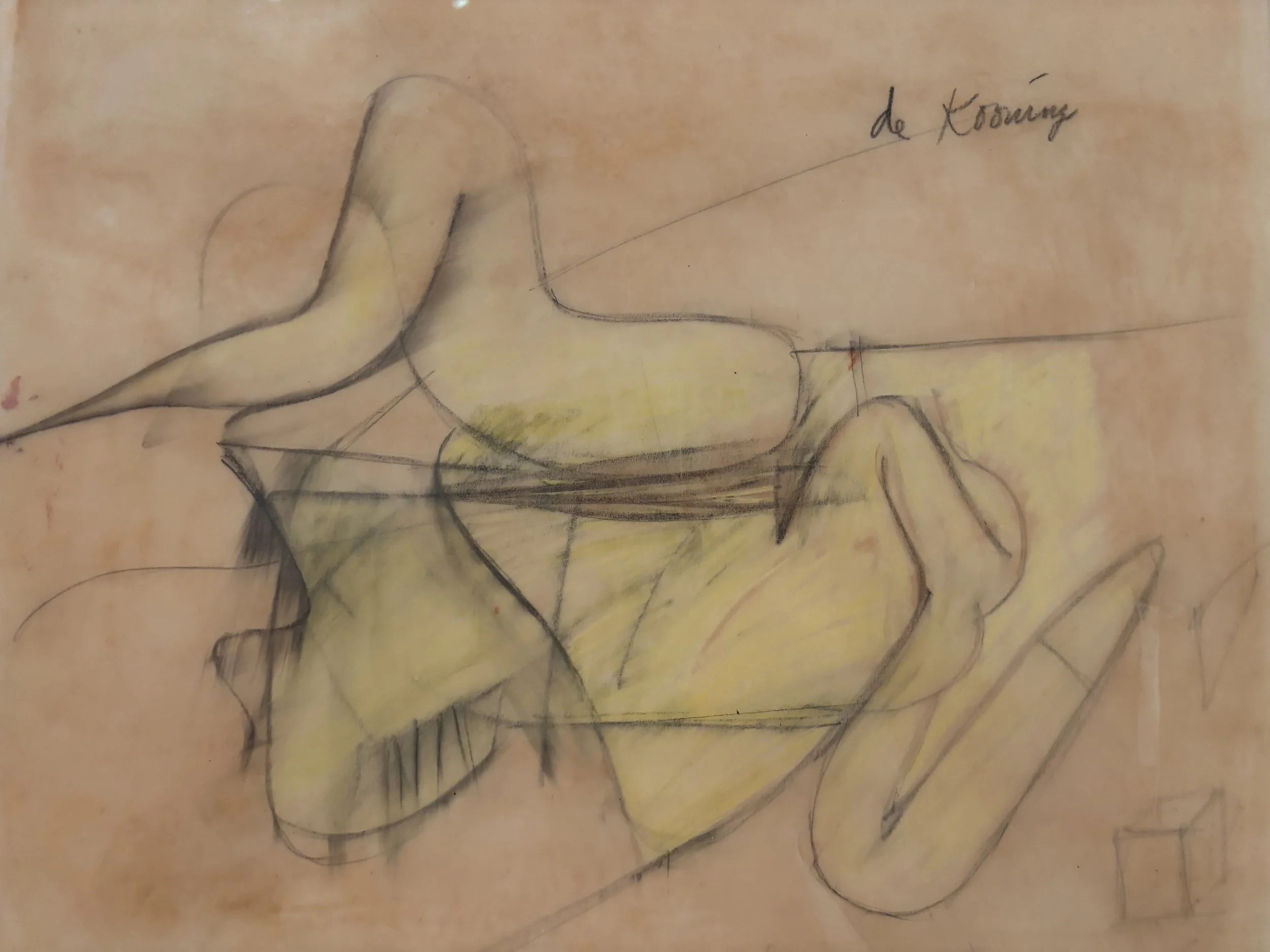
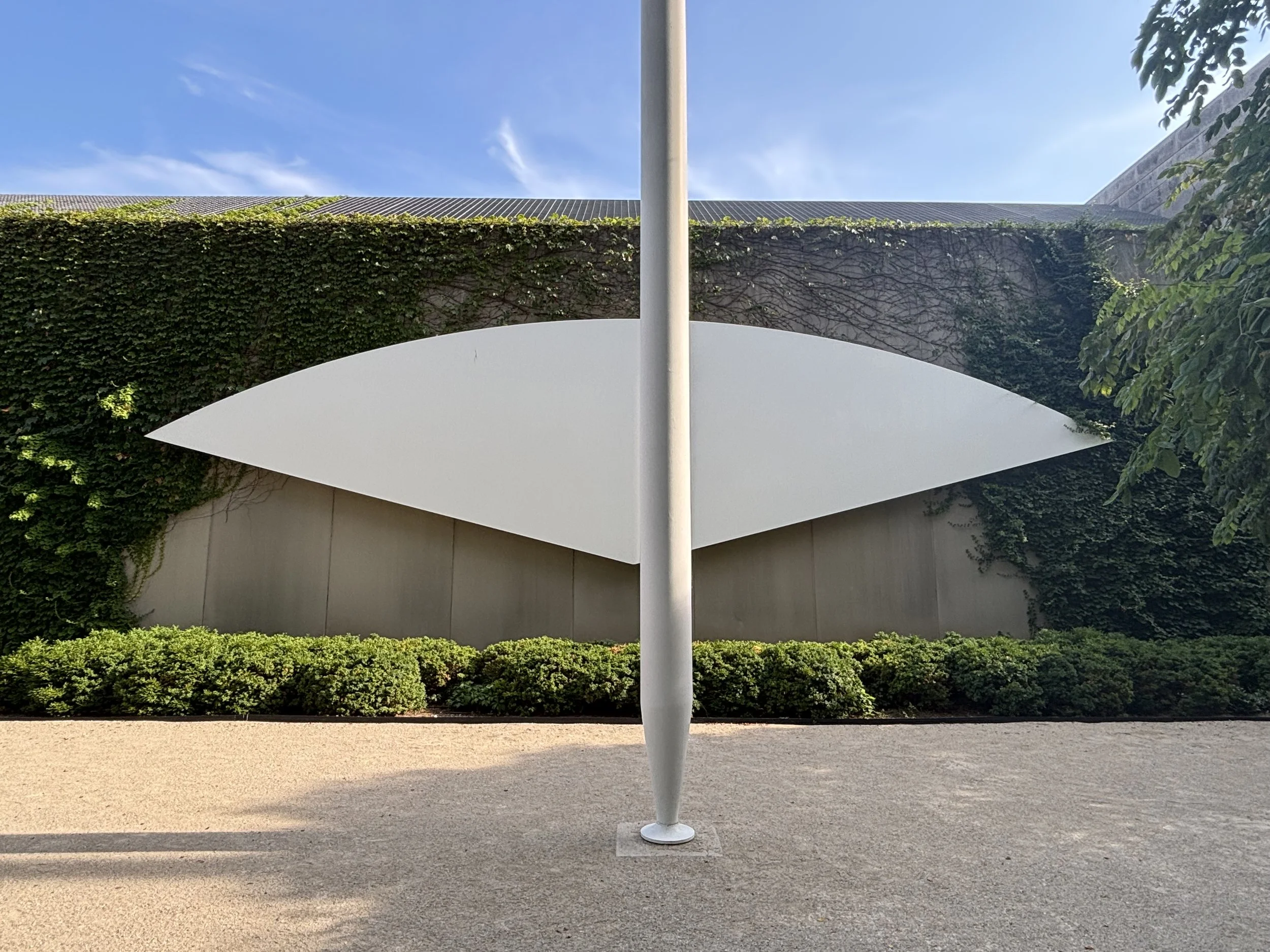
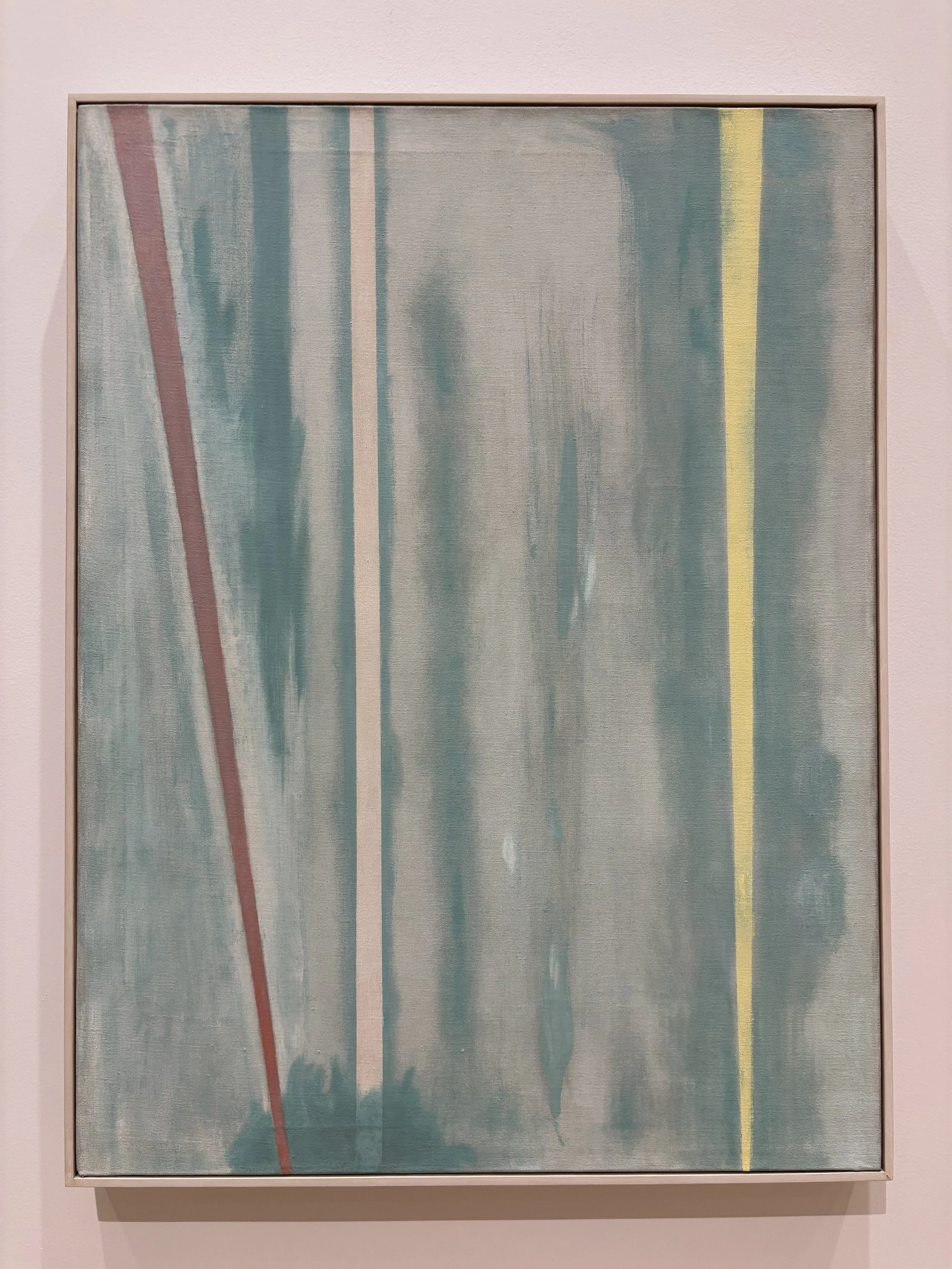
The summer’s big show was of drawings by Willem de Kooning. Good enough, if a bit overdrawn on studies and more ephemeral works. I made sure to see Barnett Newman’s The Beginning, a pre-Onement painting from 1946. They were also showing Gea, a biomorphic oil on cardboard drawing, in a small show downstairs called “Beyond Form: Abstraction at Midcentury.”
As I well knew, the festival overlapped the first weekend in August, one of the four open dates for Charles Mound. Bea agreed that if we went to the festival I could take that Sunday and make a side trip to northwest Illinois, followed by a road trip across Iowa that would commence the next day.
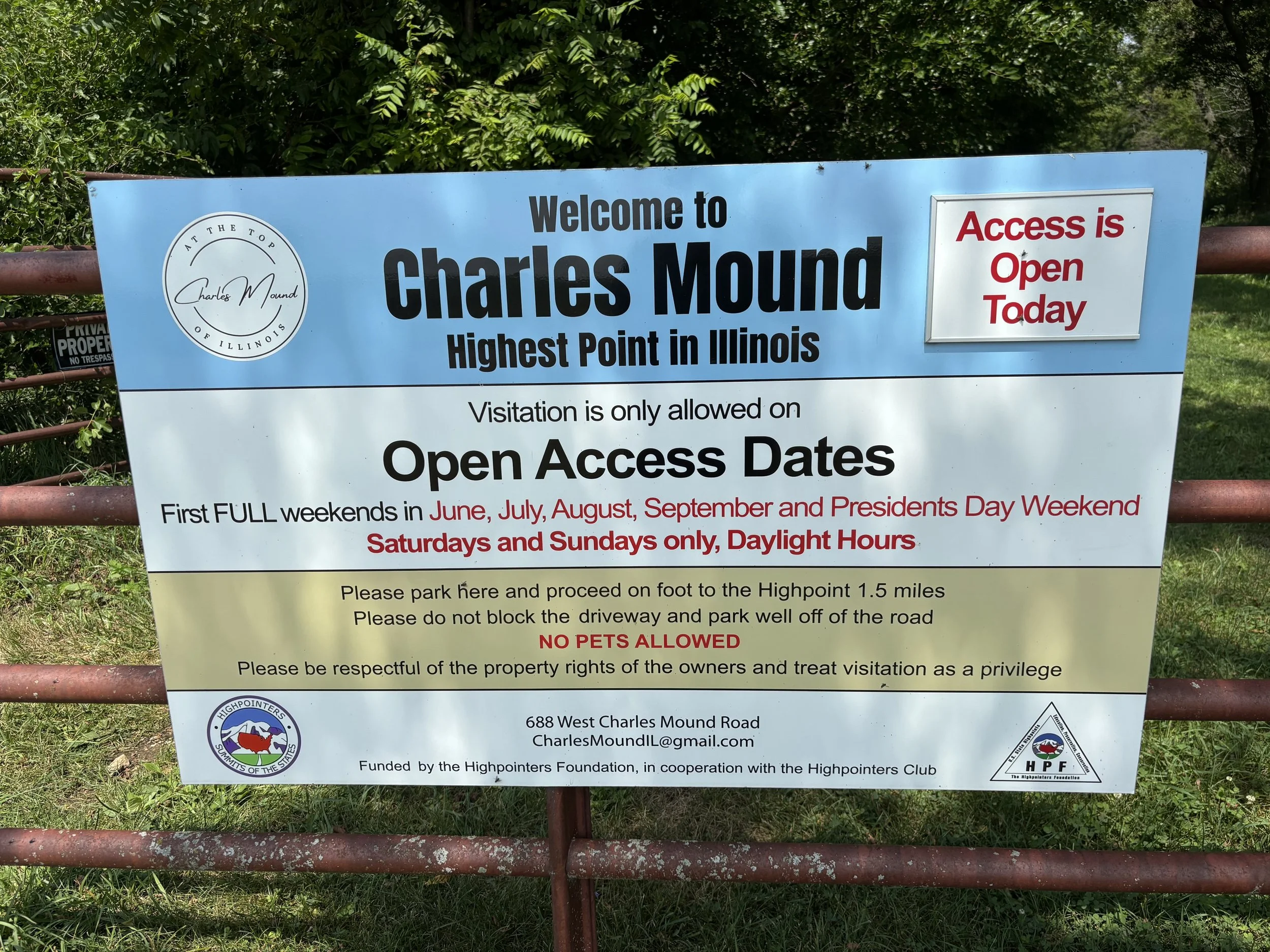
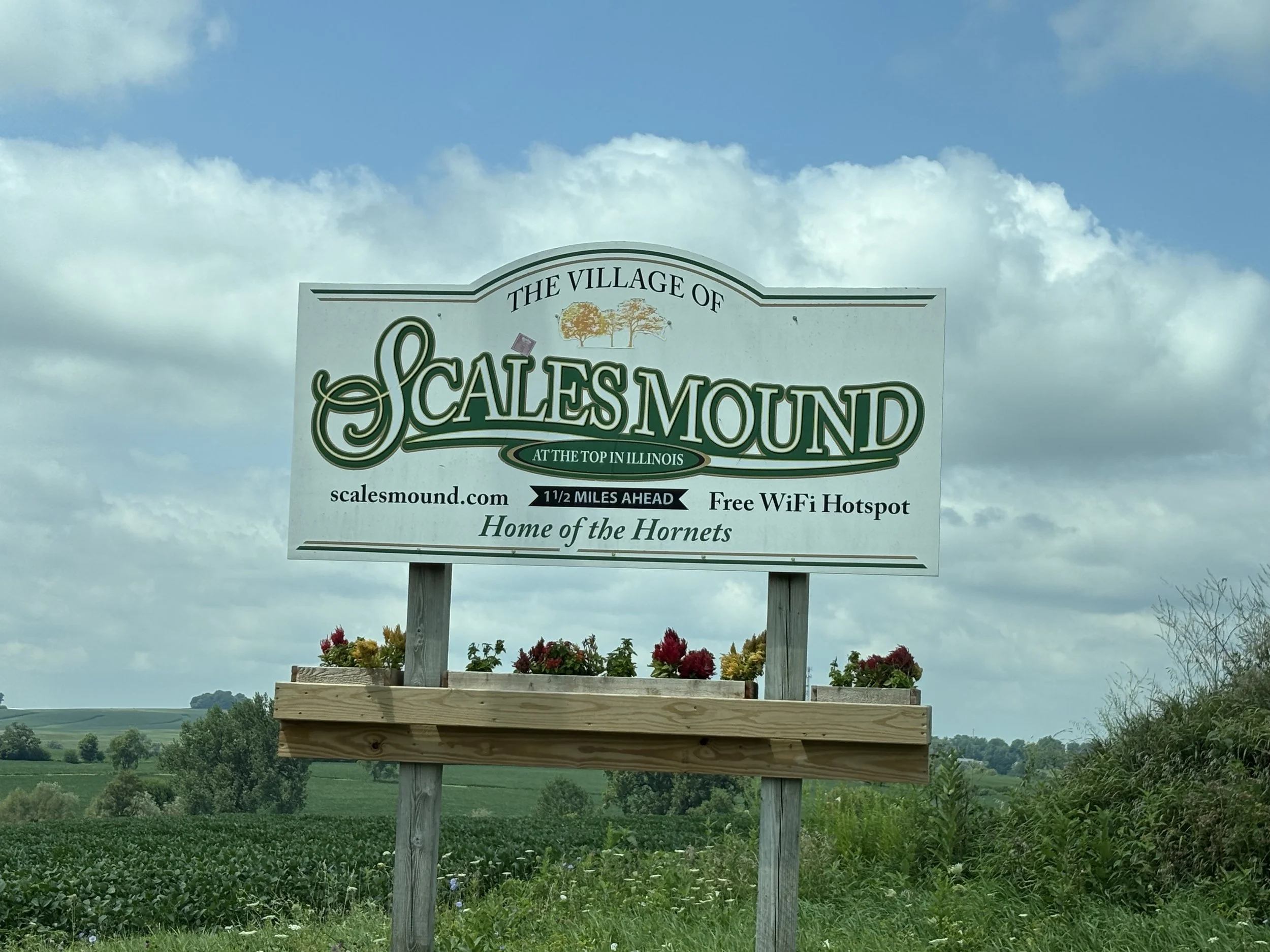
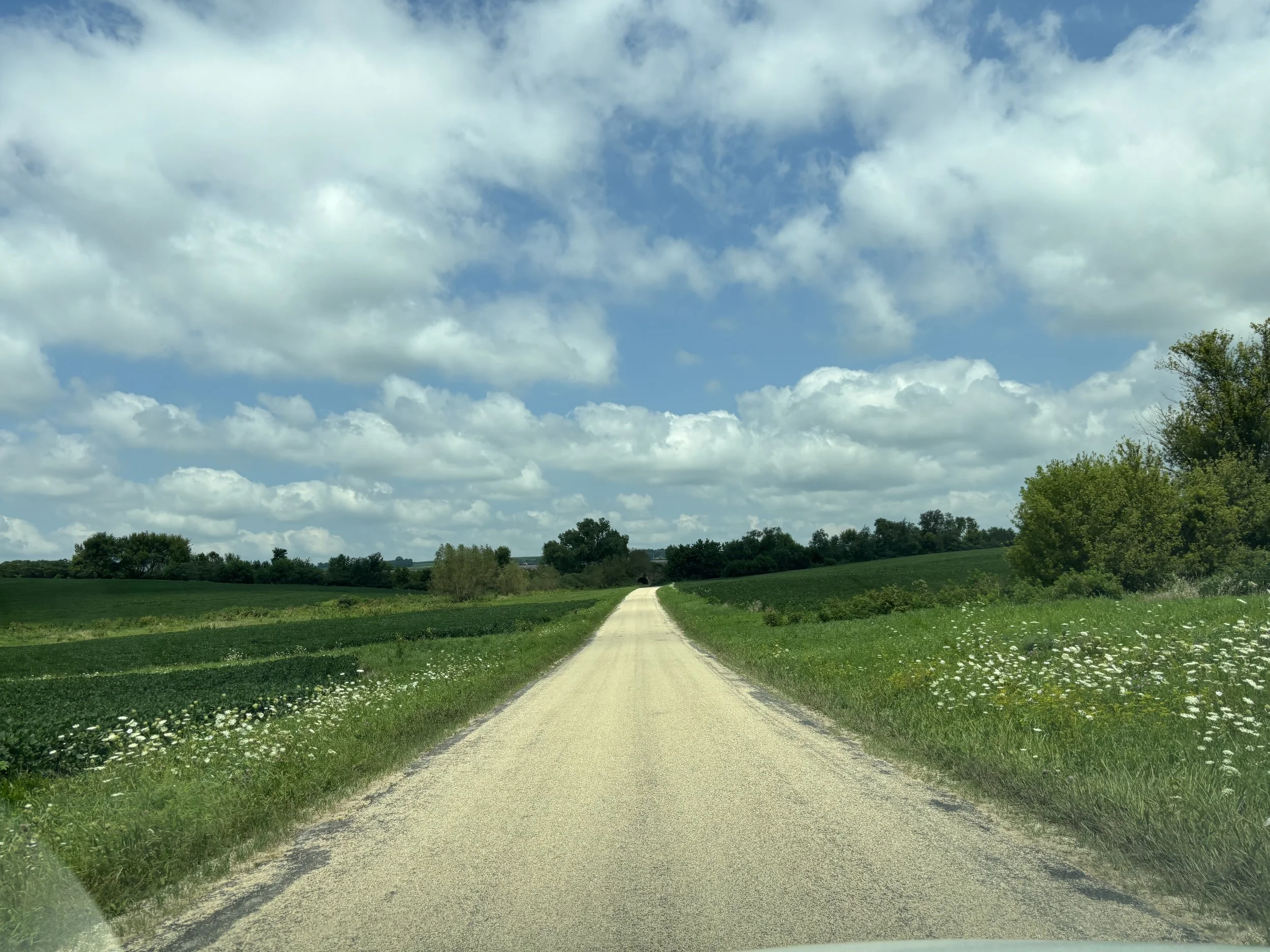
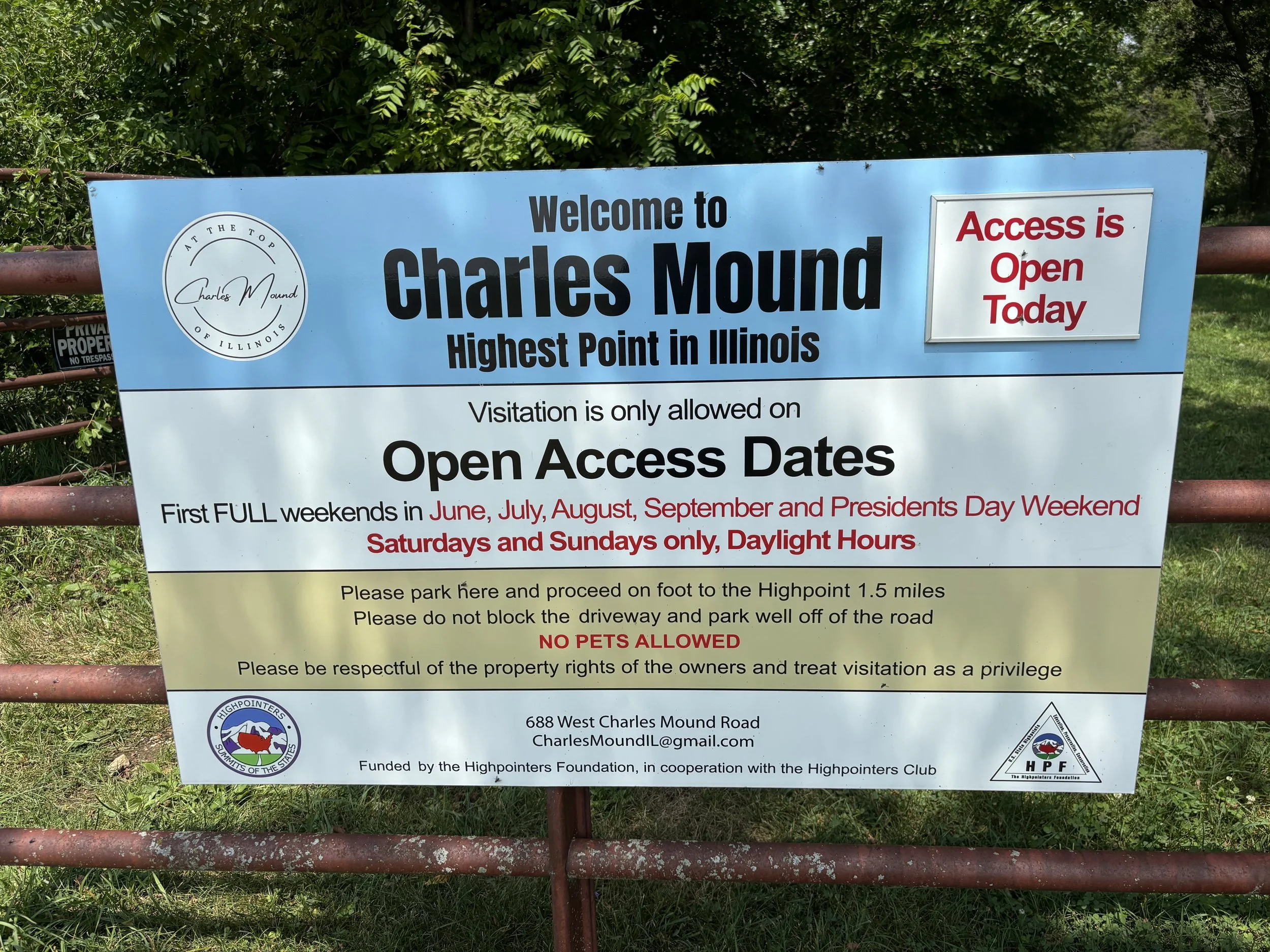
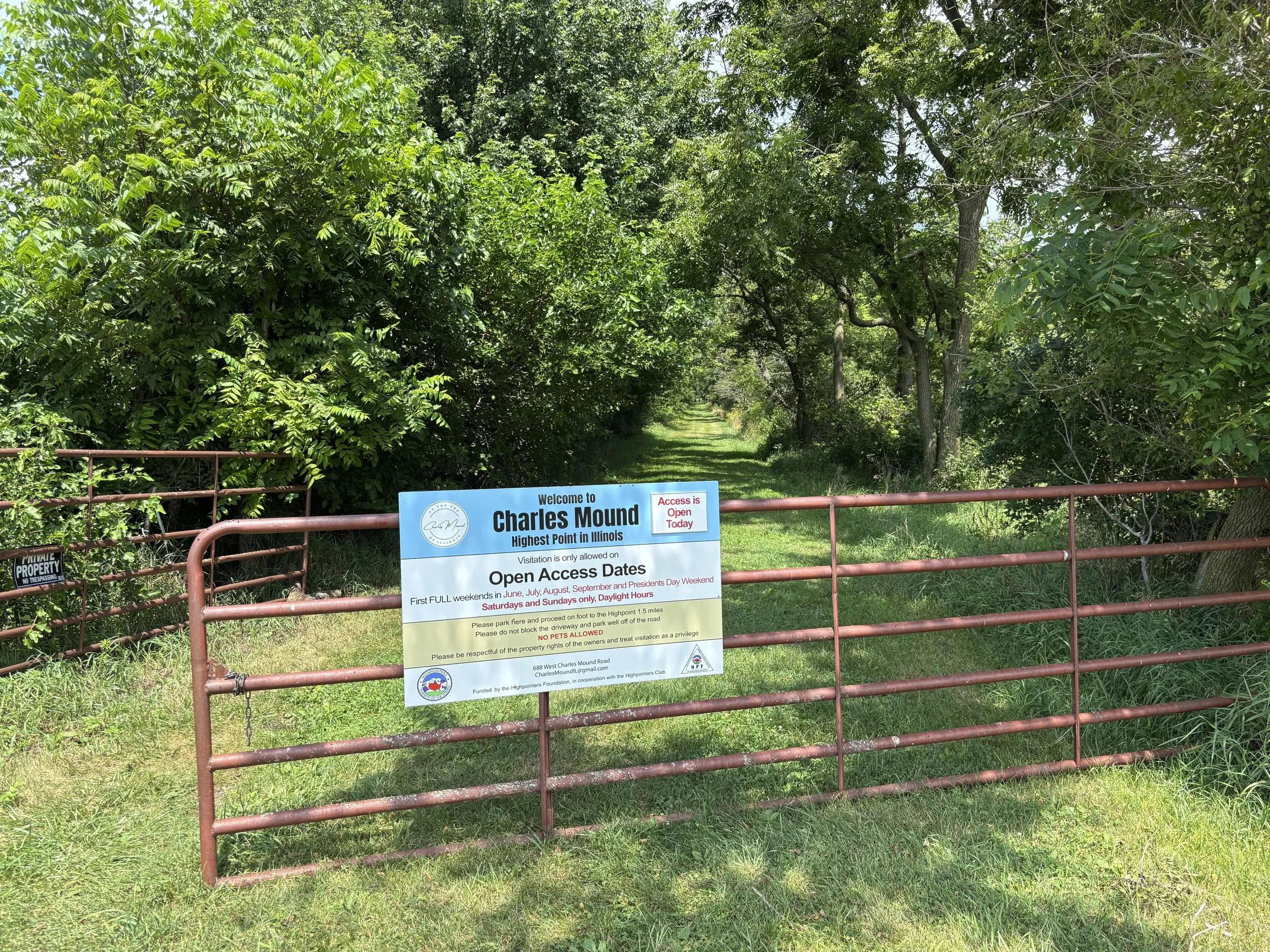
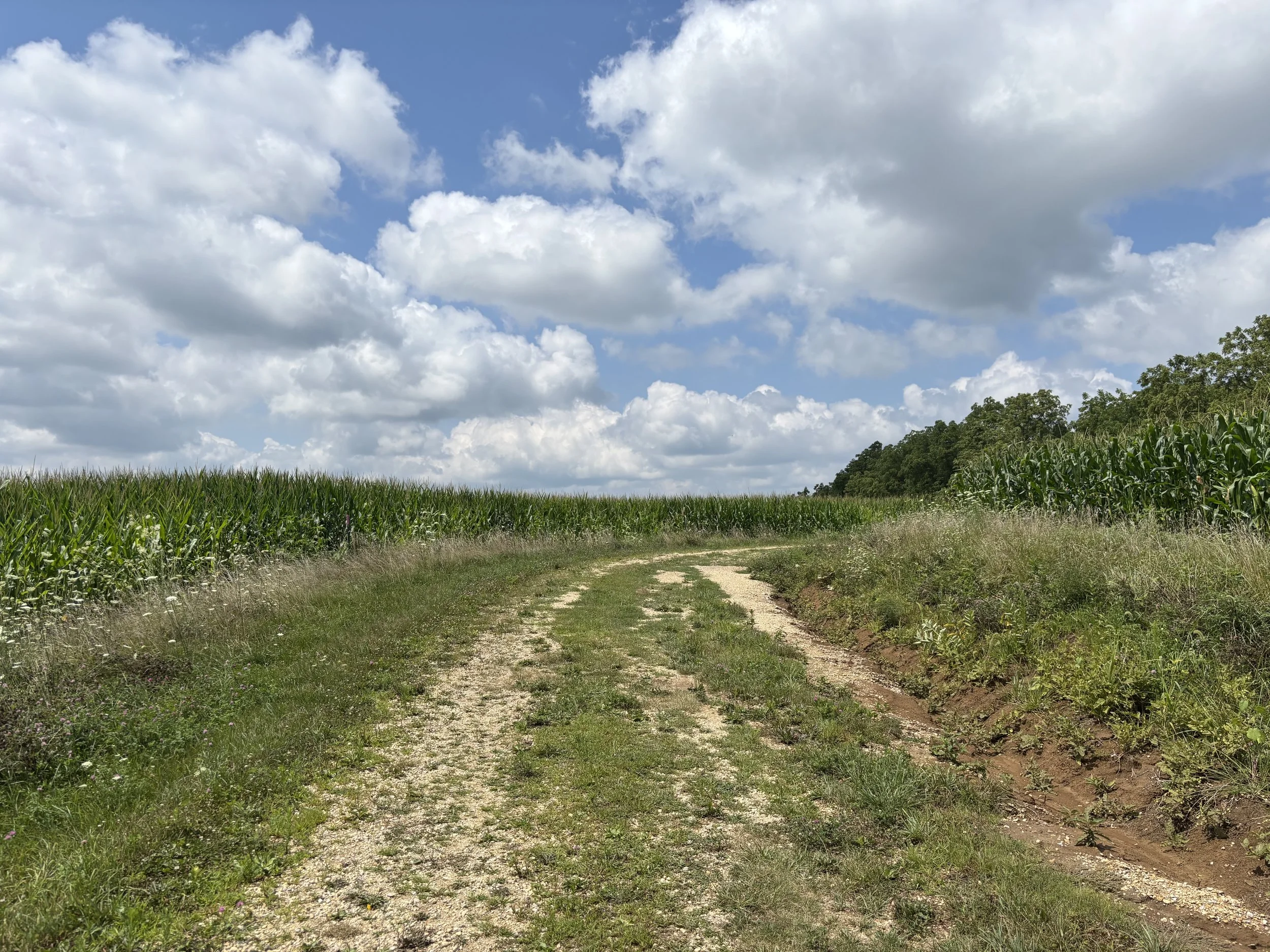
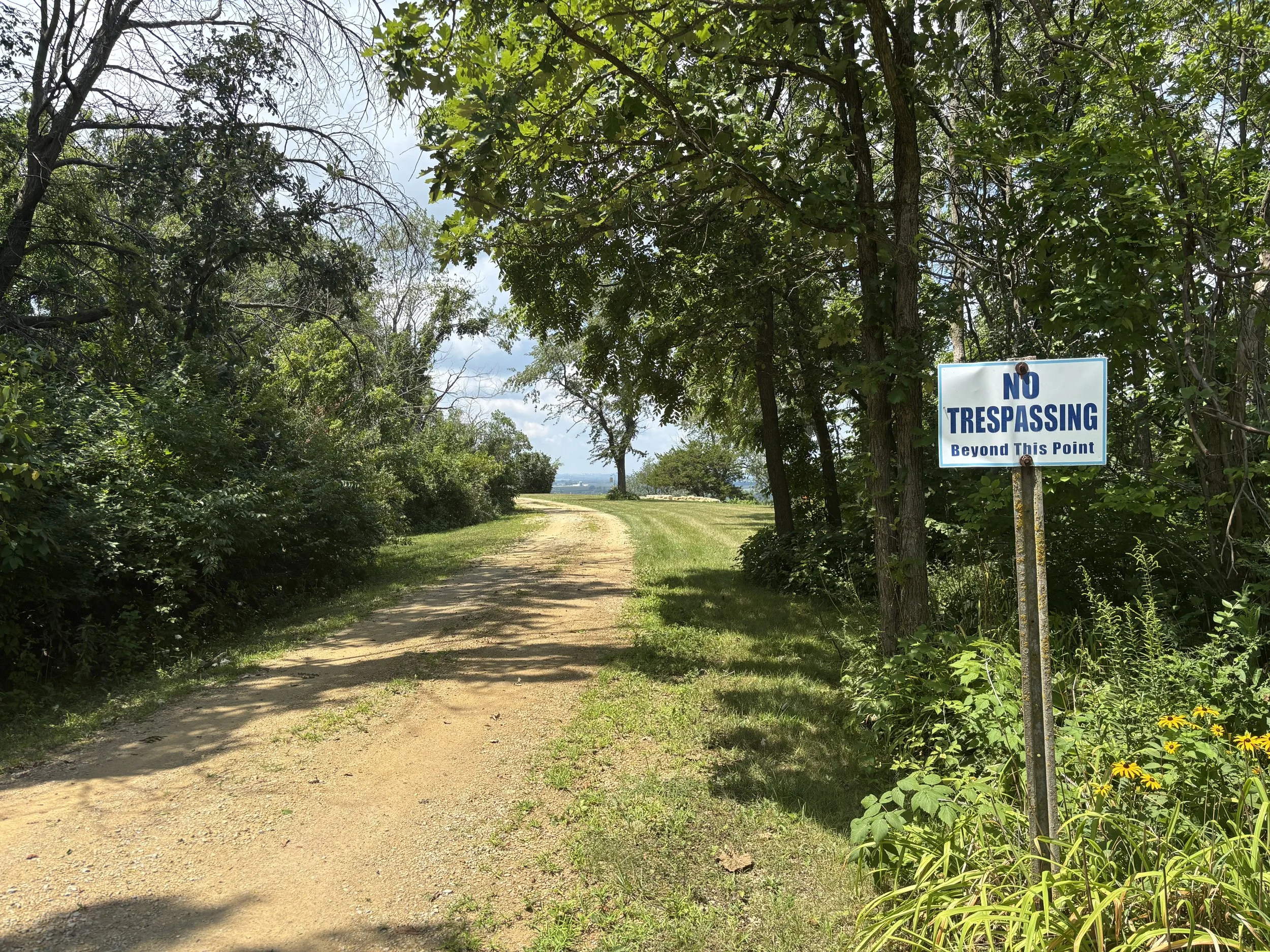
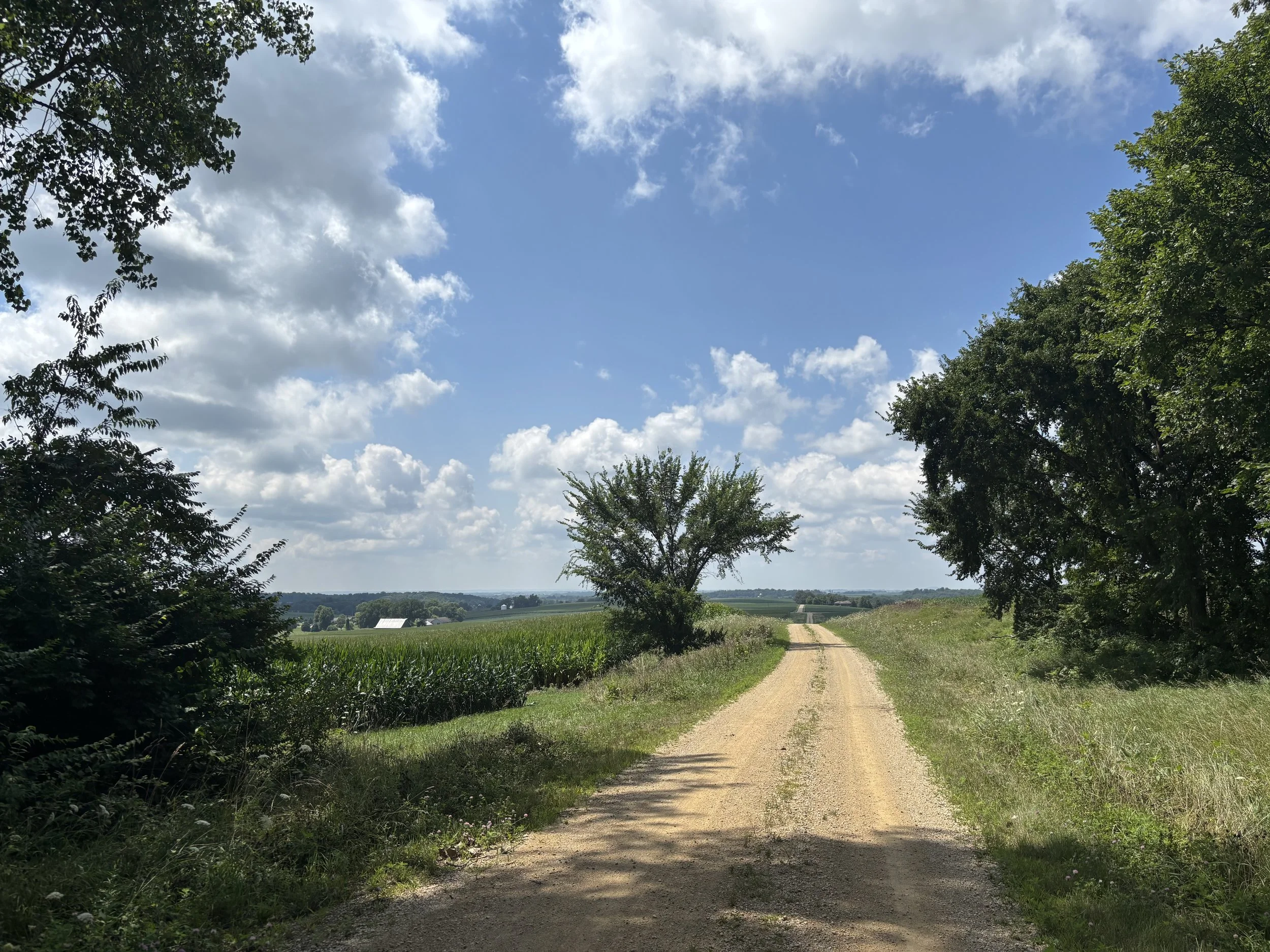
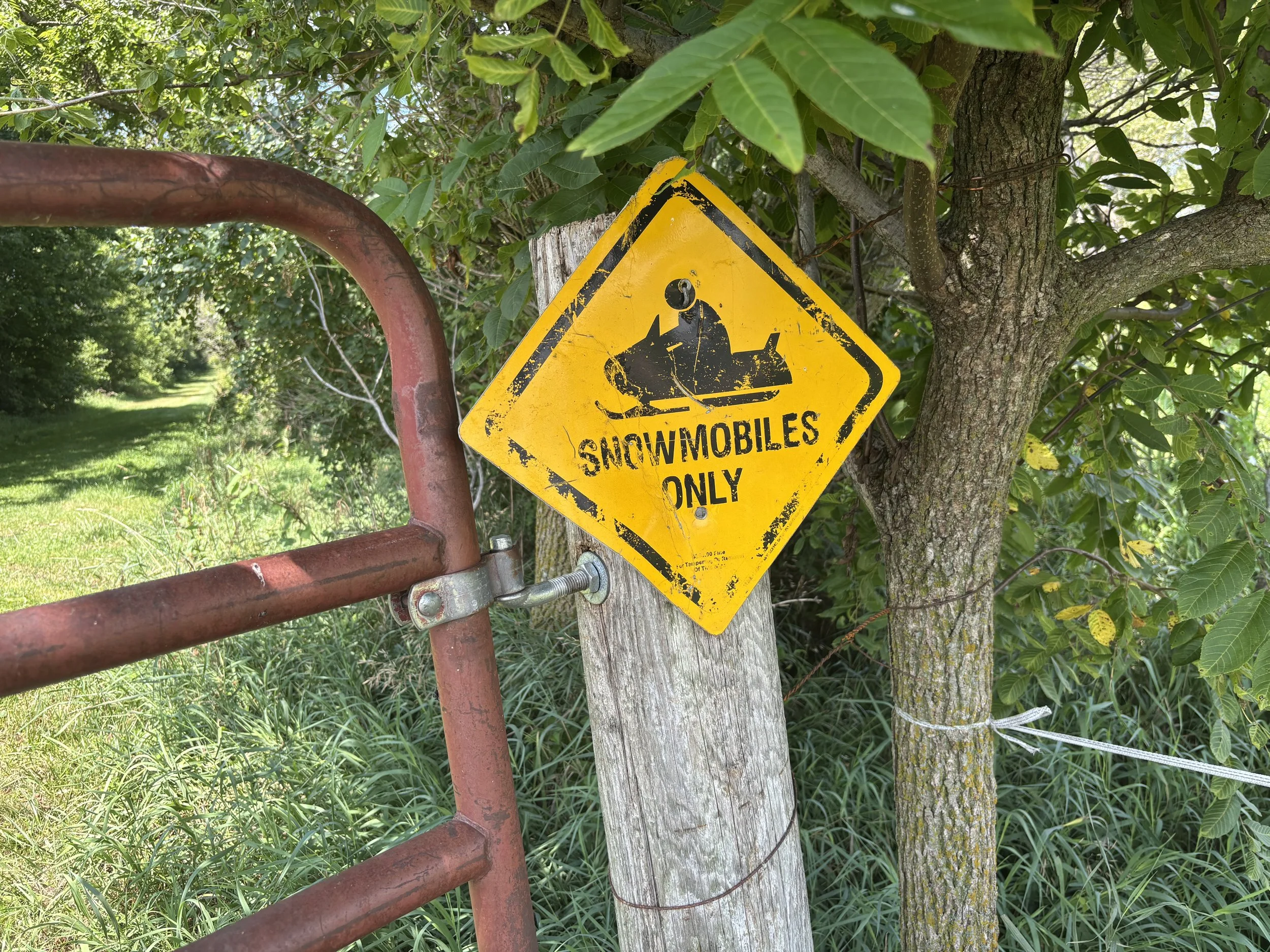
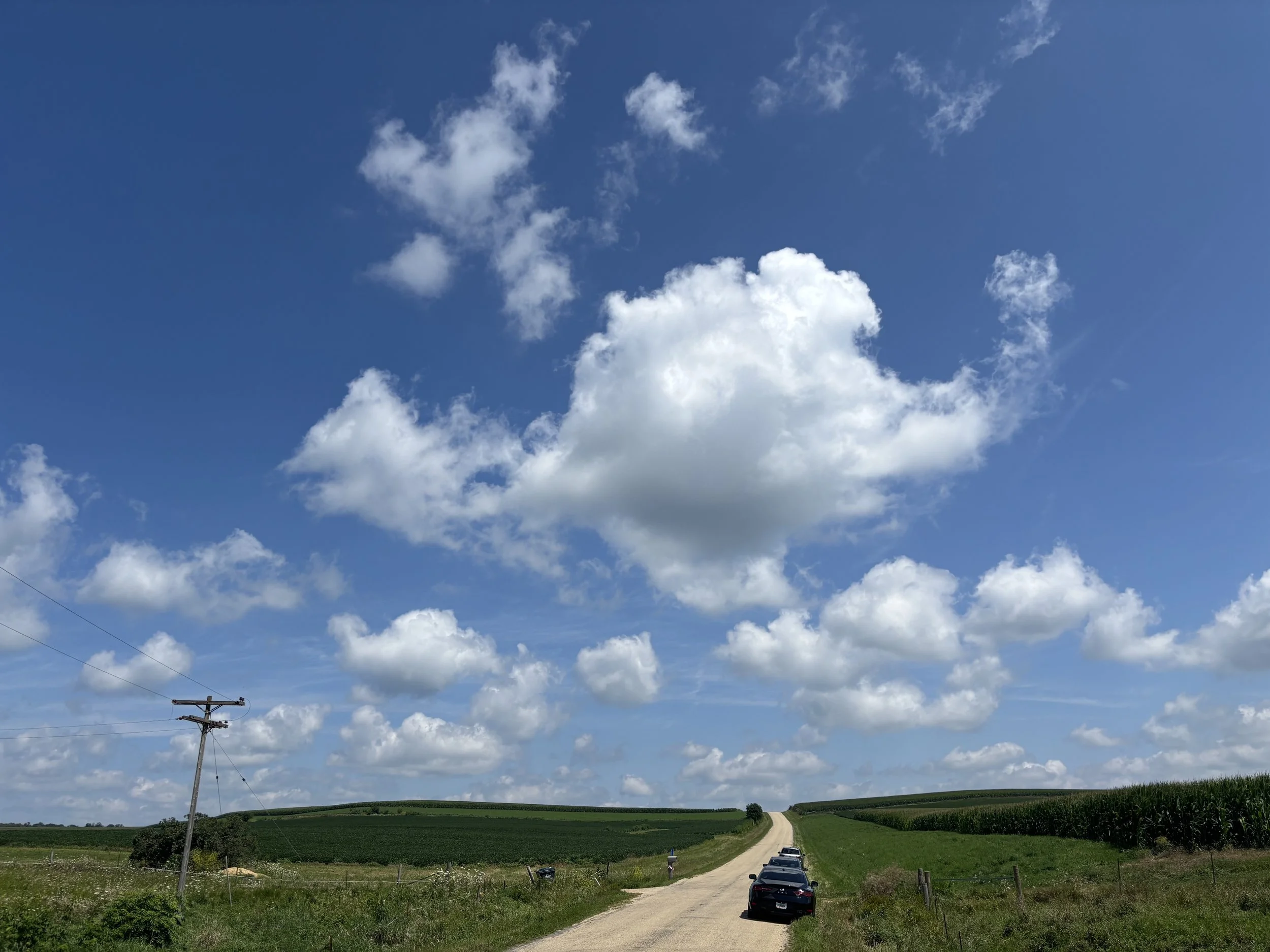
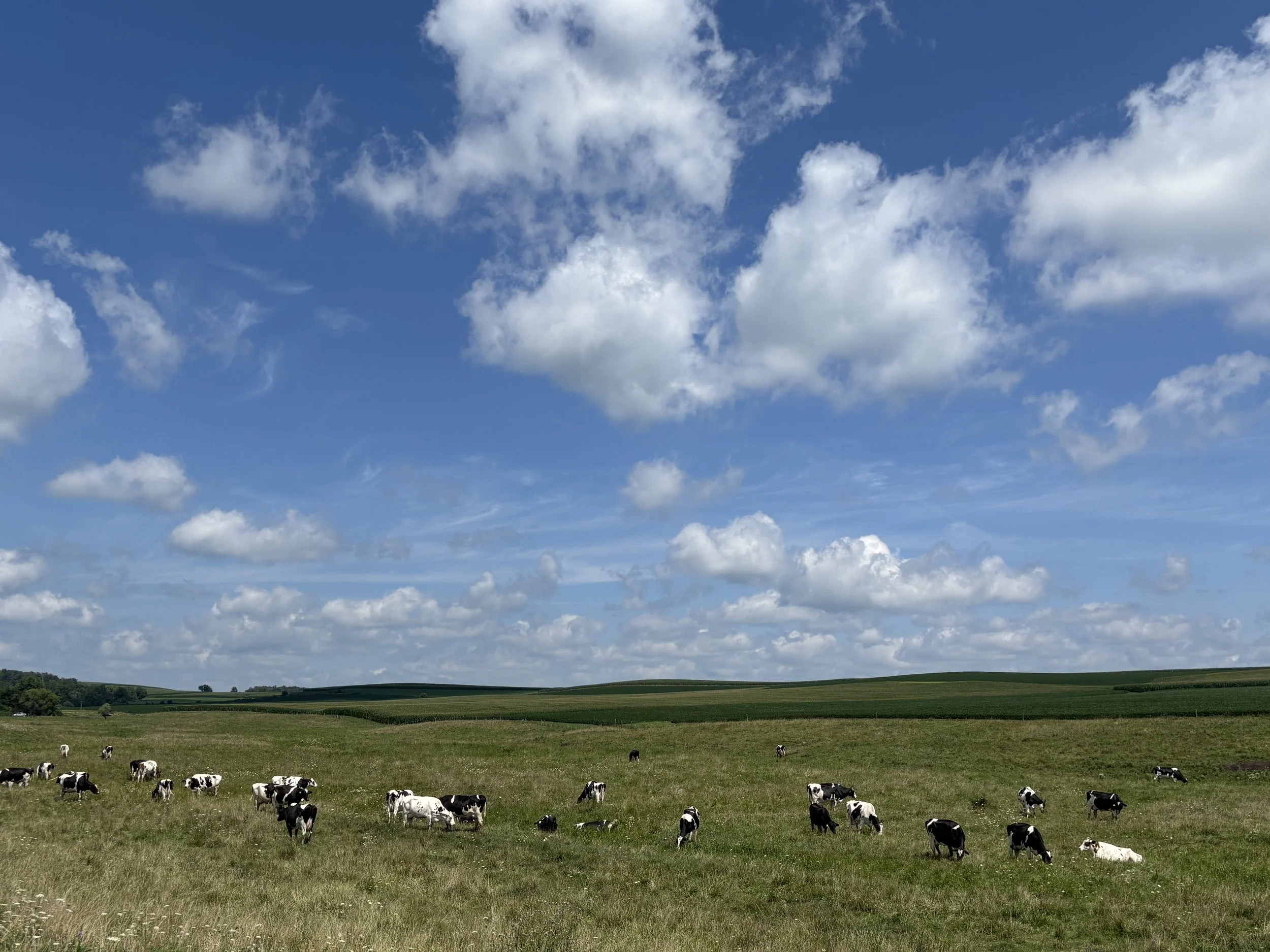
The drive out to Charles Mound is not unscenic, especially toward the ultimate destination, when the Wisconsin and Iowa borders and ubiquitous cornfields press close to the road. Past Scales Mound and under a graffitied train ovepass the road finally passes the famous gate whereupon the site’s strict visitation rules are set forth in colors and typefaces aplenty.
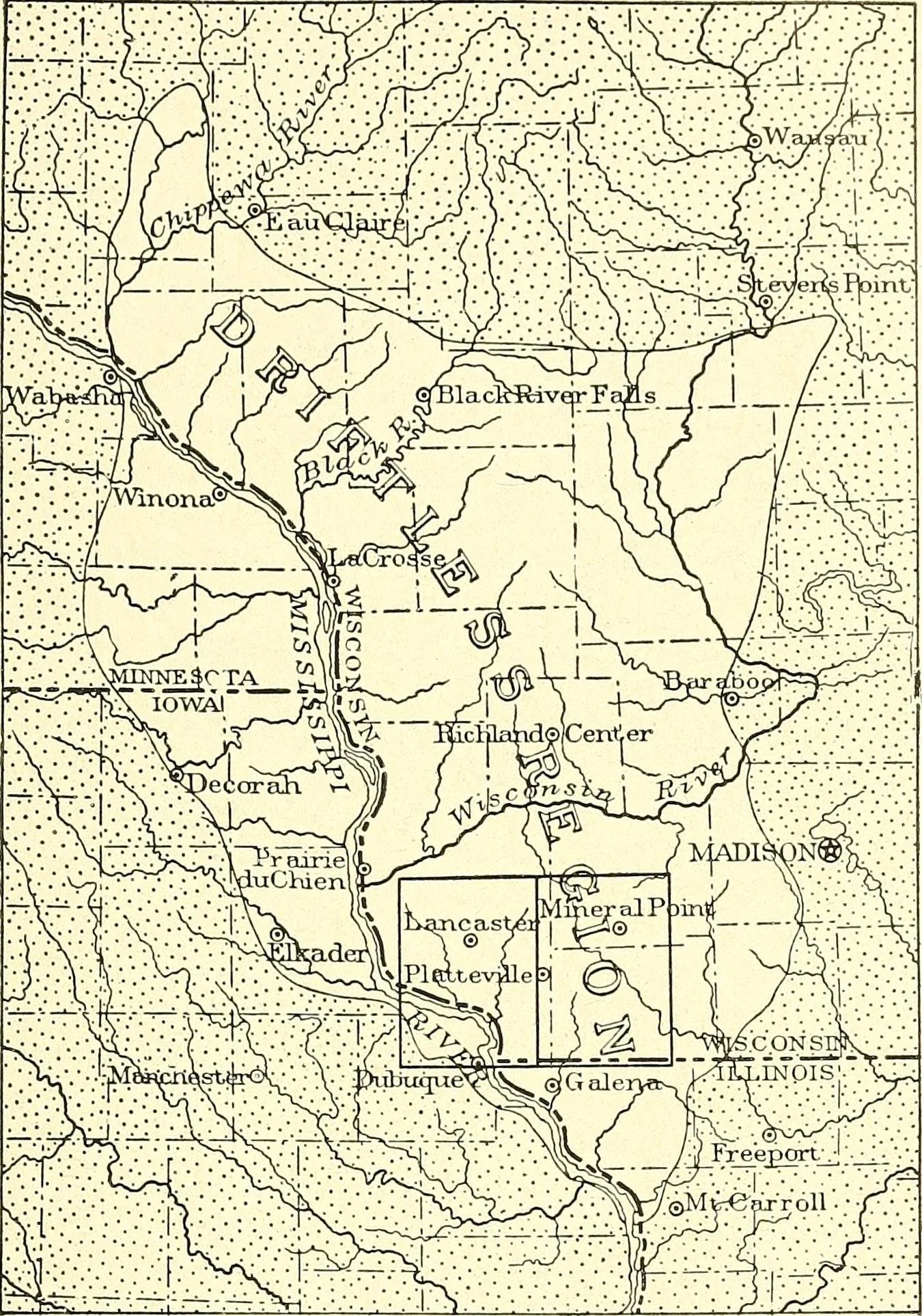
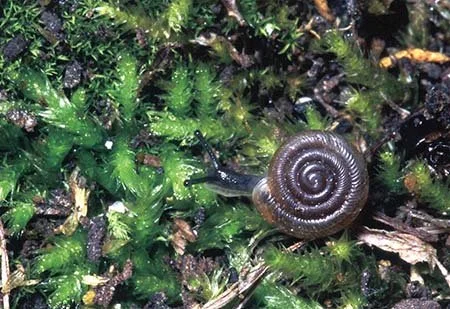
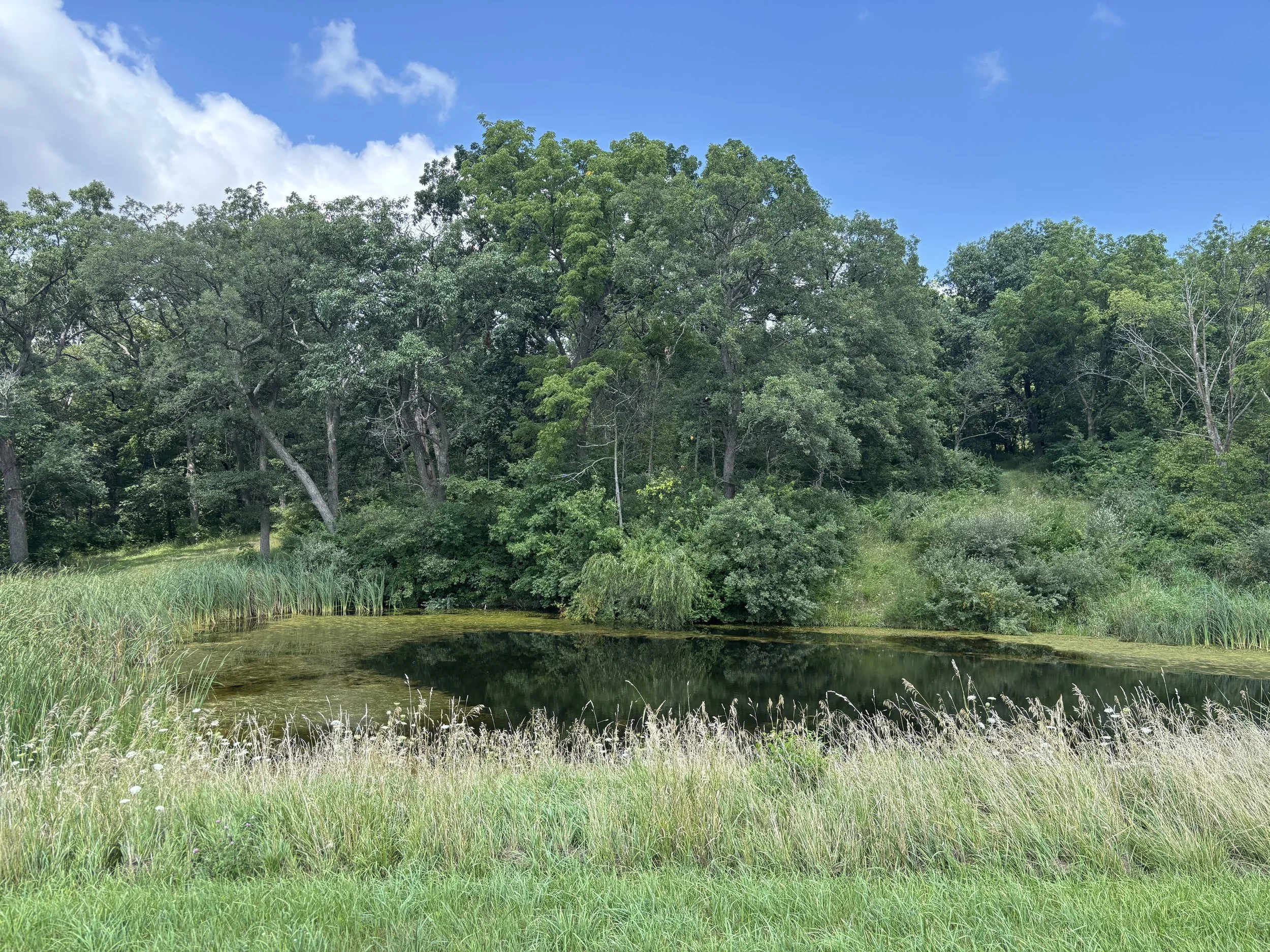
The region belongs geographically to a remnant zone called the Driftless Area, which was never covered by glaciers during the last ice age and thus is free of the glacial deposits known as “drift.” This small relic area spans the confluence of Minnesota, Wisconsin, Iowa, and Illinois. Charles Mound, in far northwest Illinois, sits barely in the lower portion of the area, which is home to the very rare geologic formations known as algific talus slopes and a number of relic species, including an endangered snail known as the Iowa Pleistocene snail (Discus macclintocki). As Wiki notes, “the main cause of the snail's decline is climate change, as it is restricted to patches of cold habitat in warmer surroundings. The snail is considered to be a relic of the ice age.”
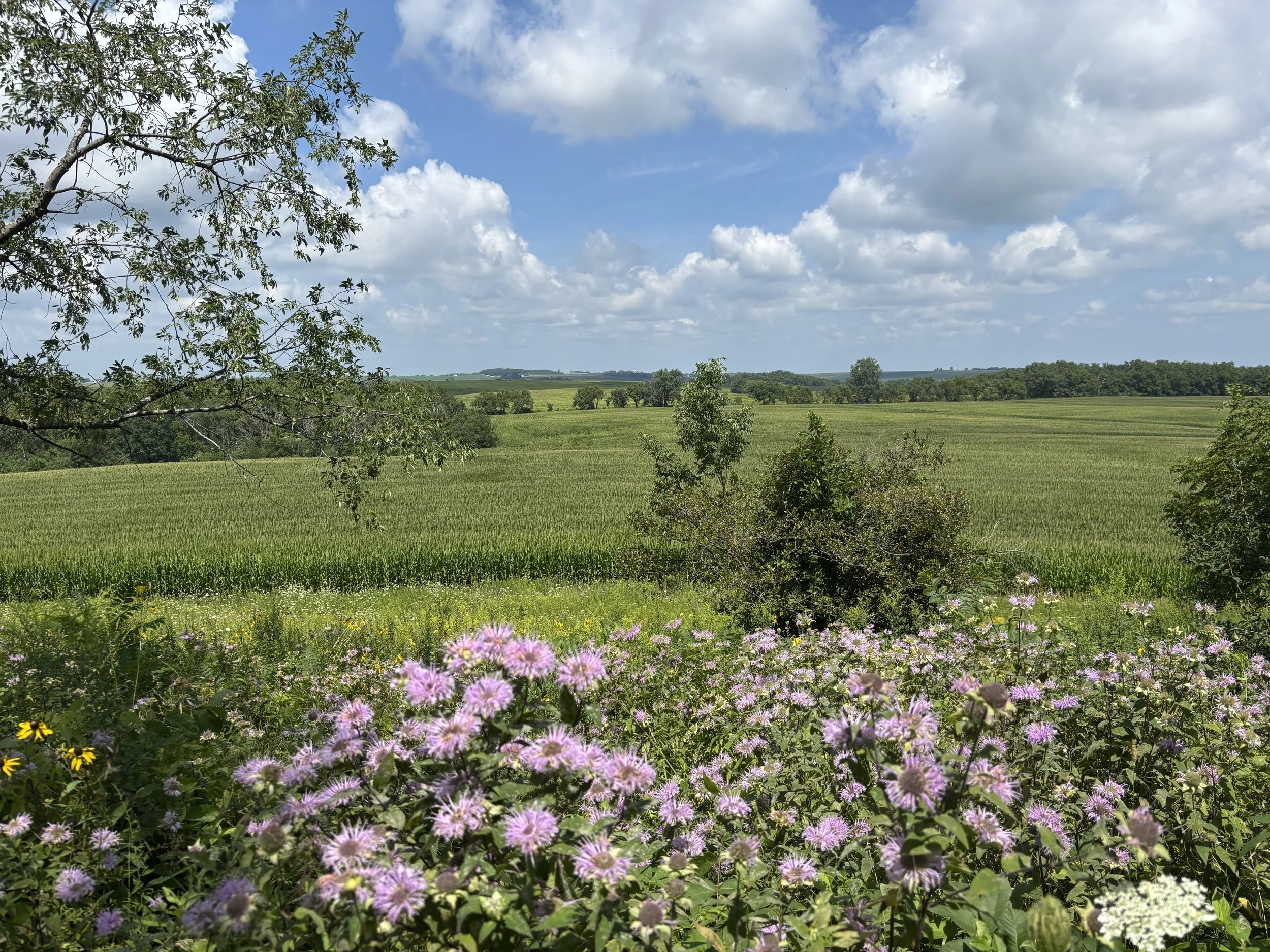
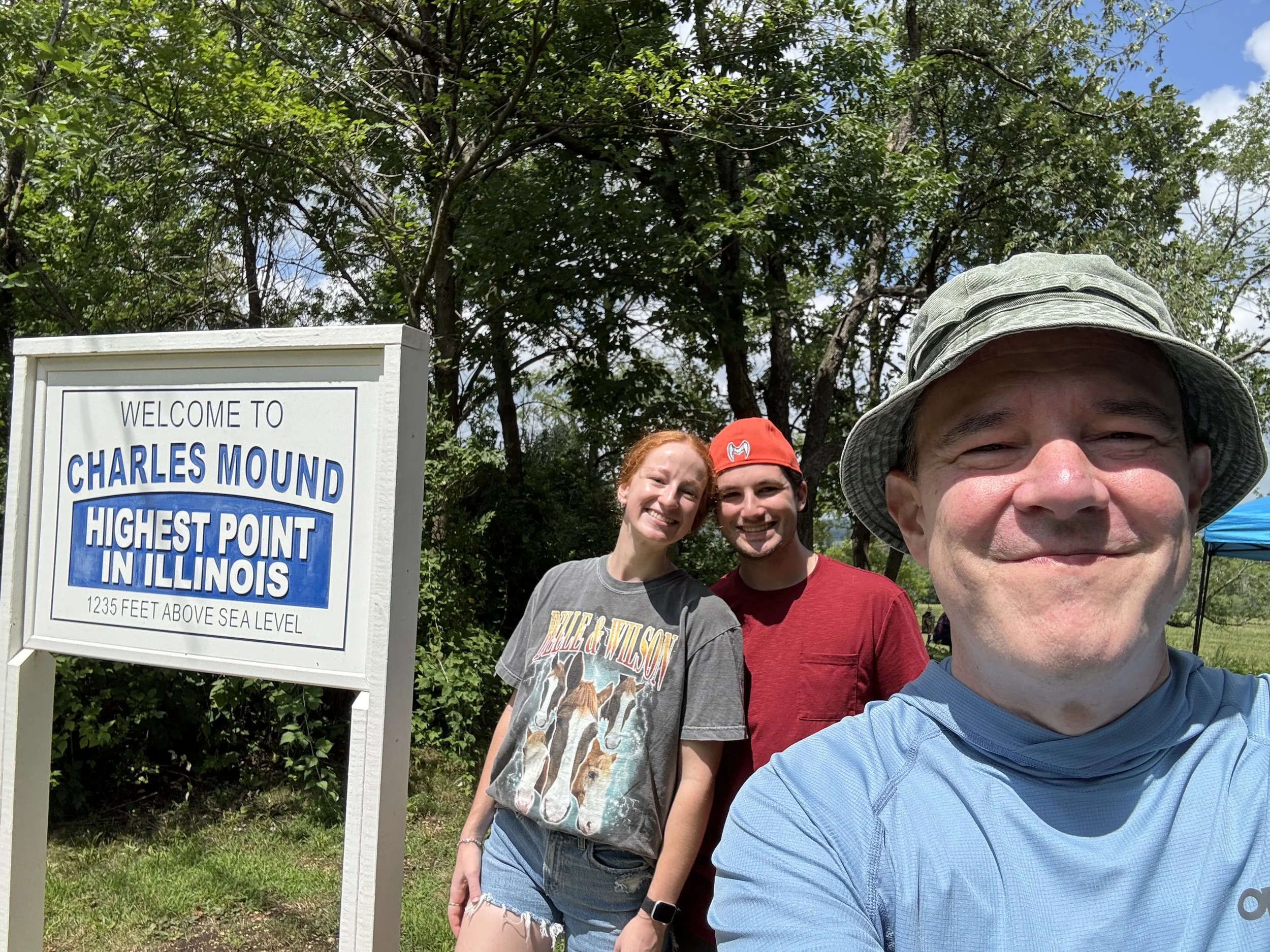
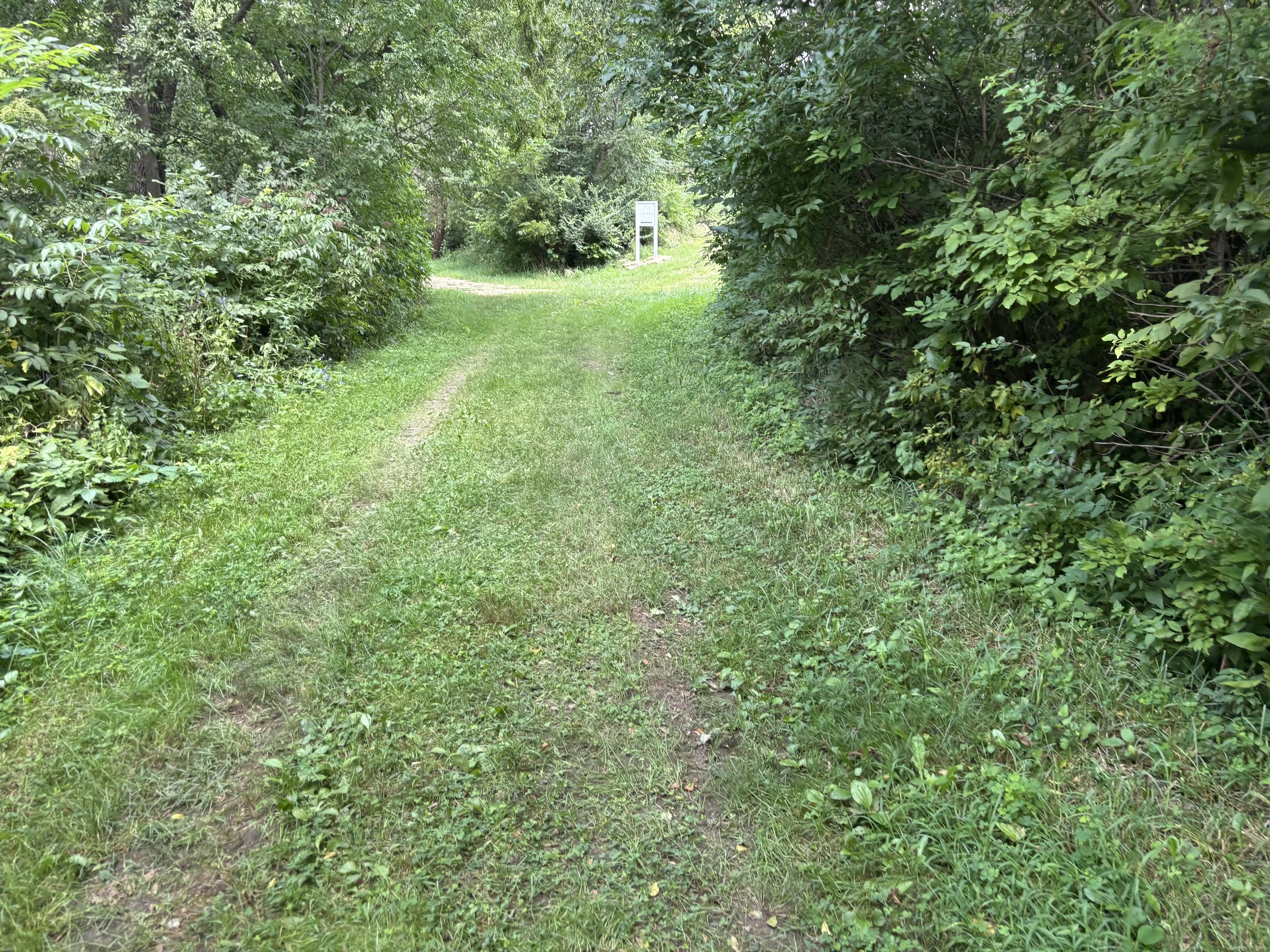
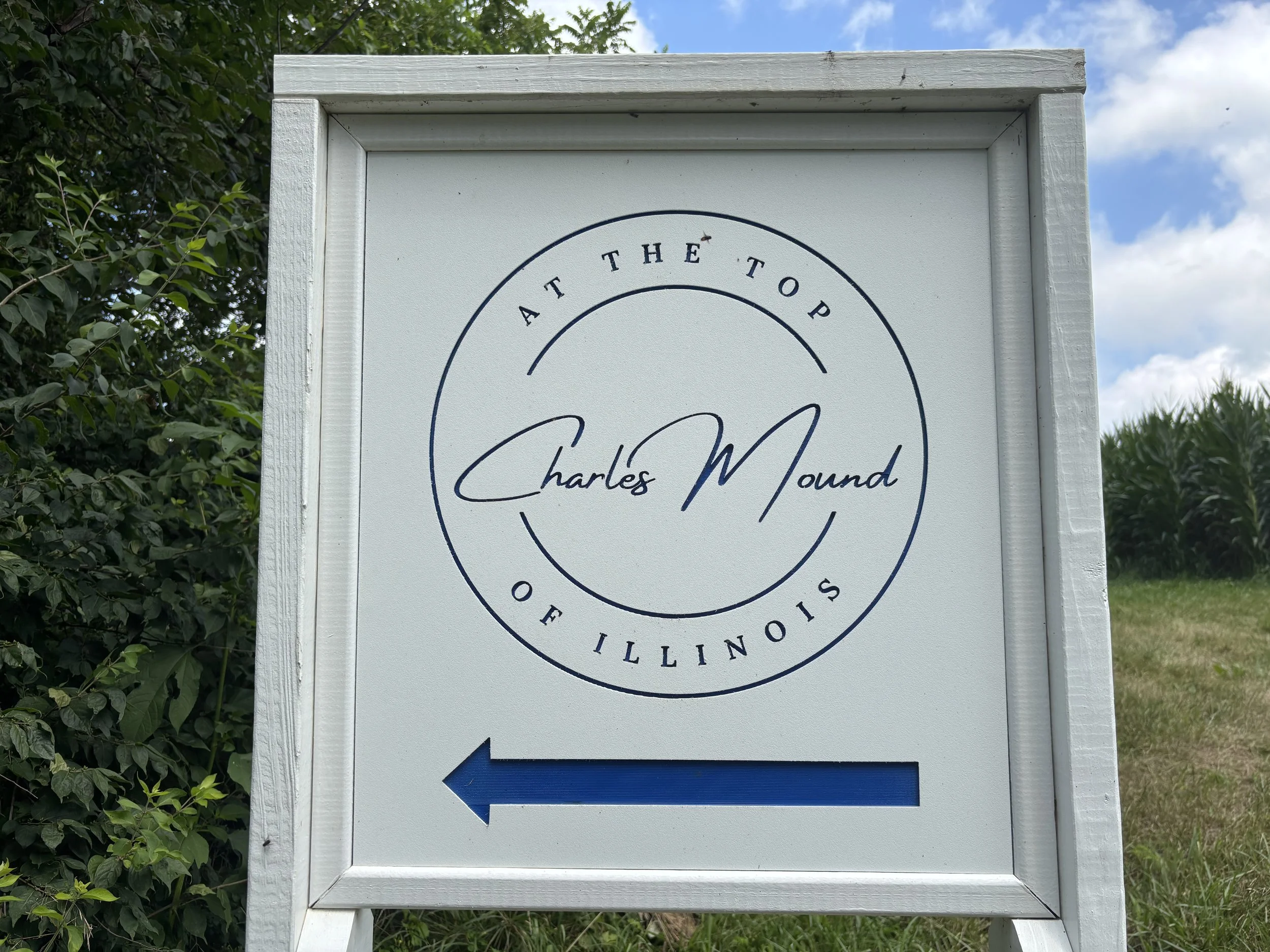
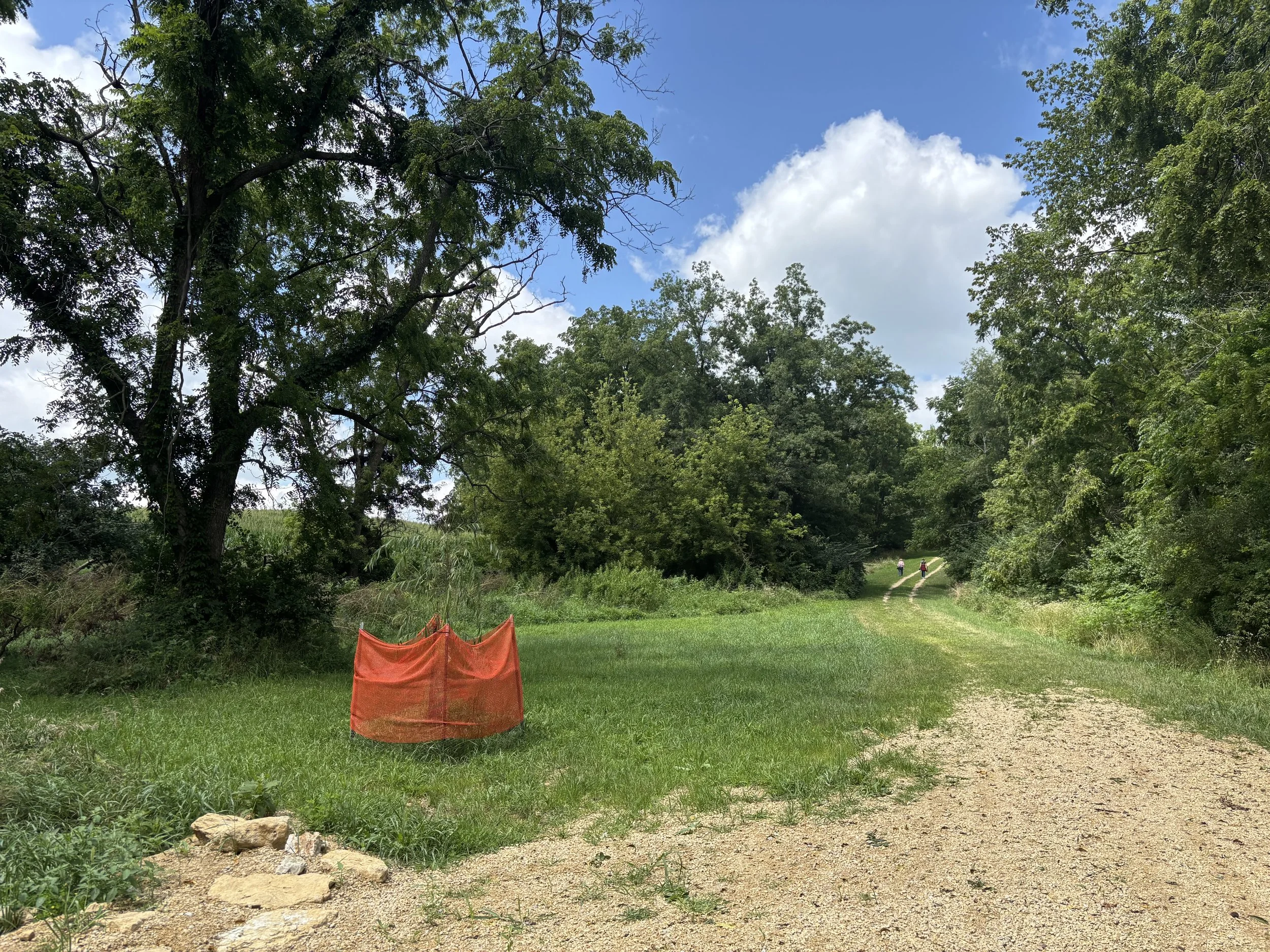
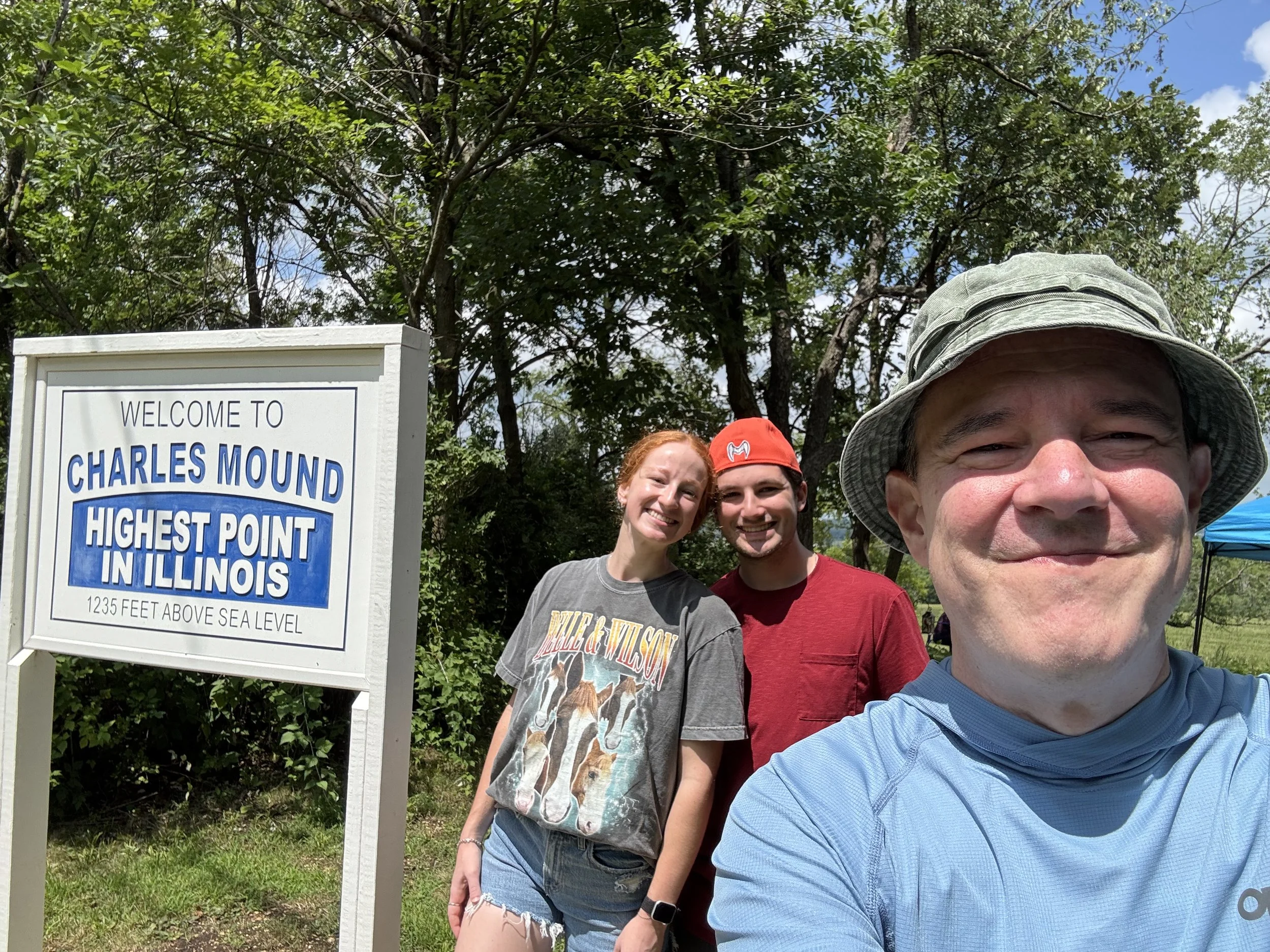
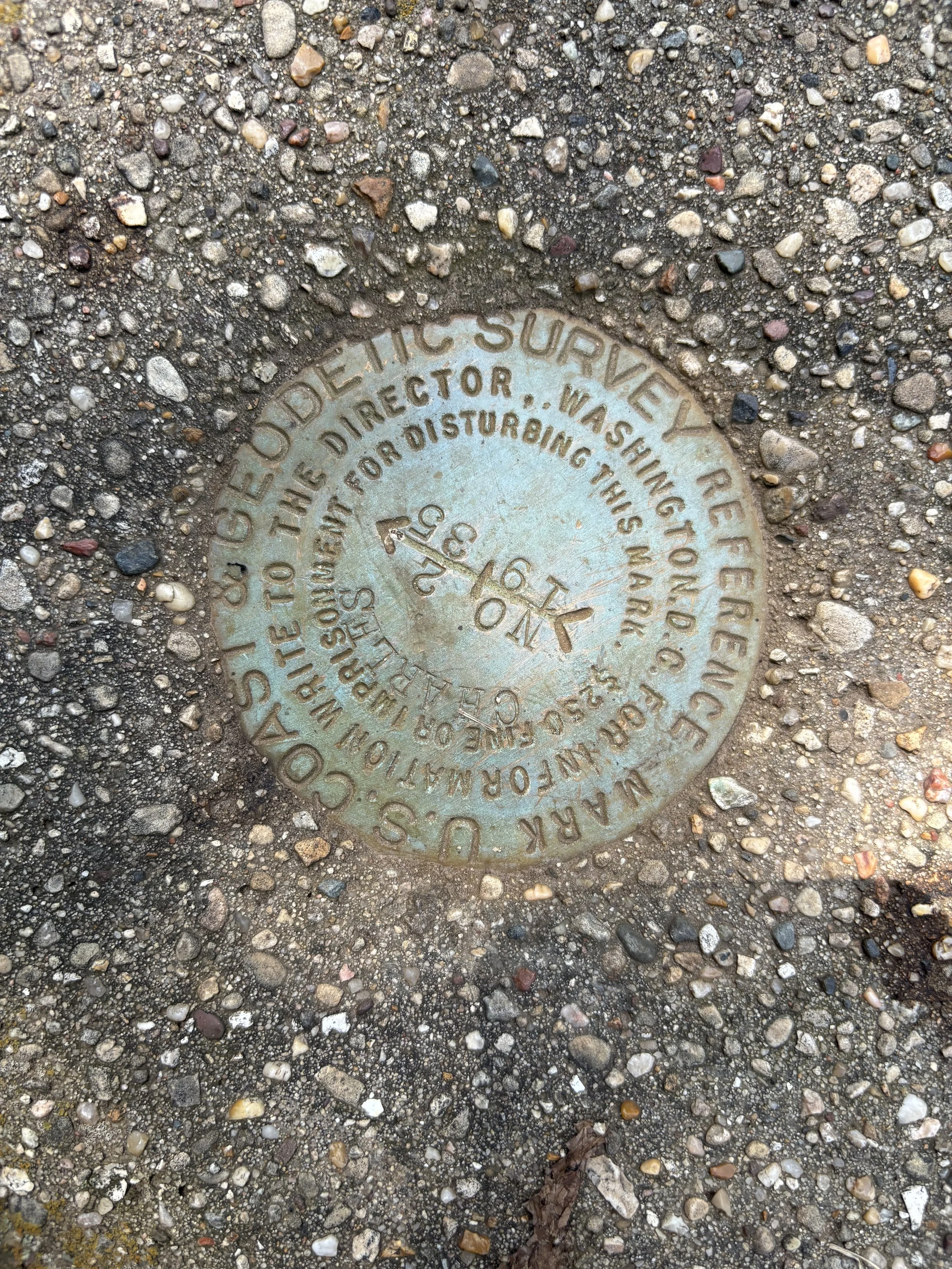
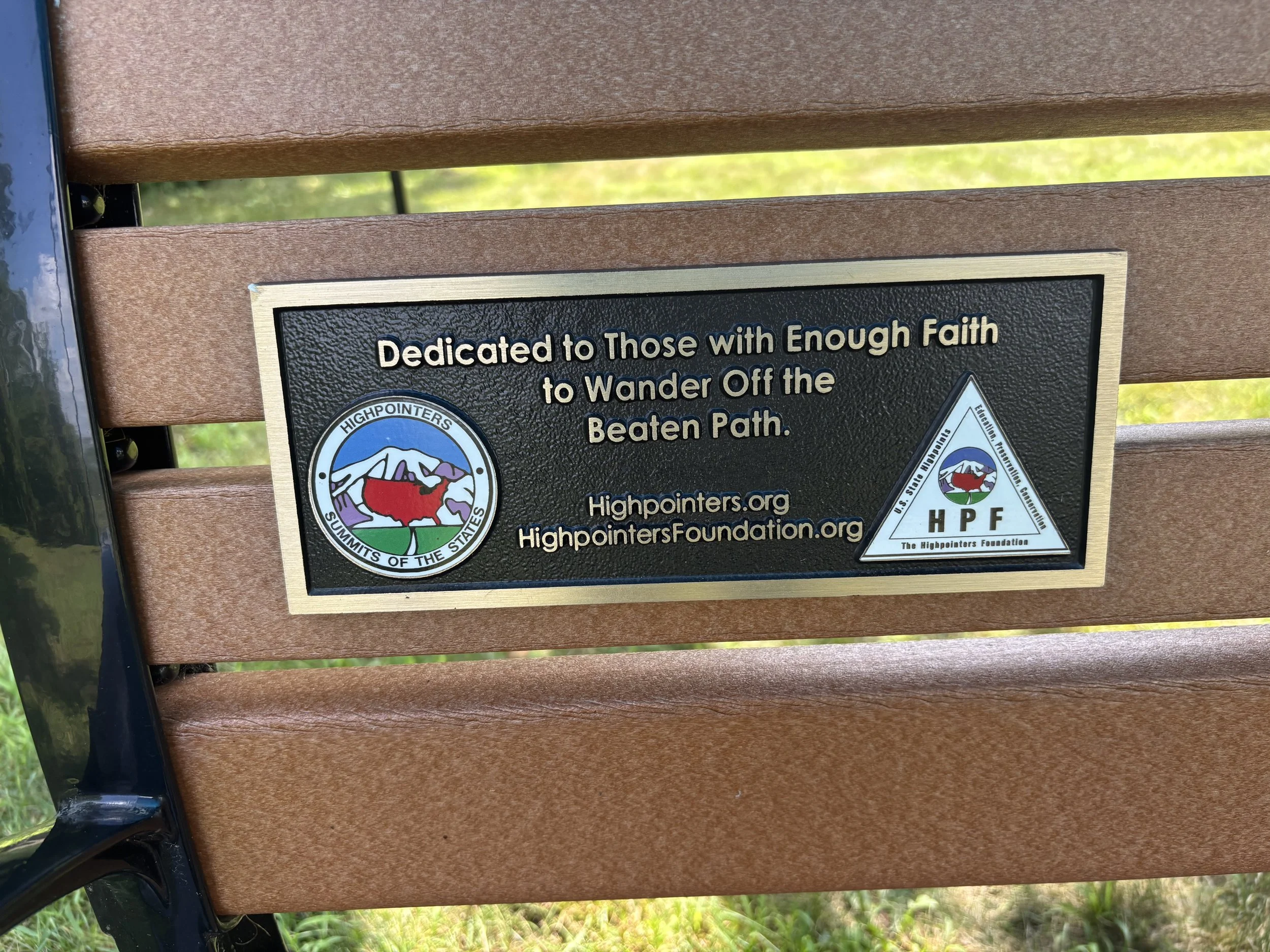
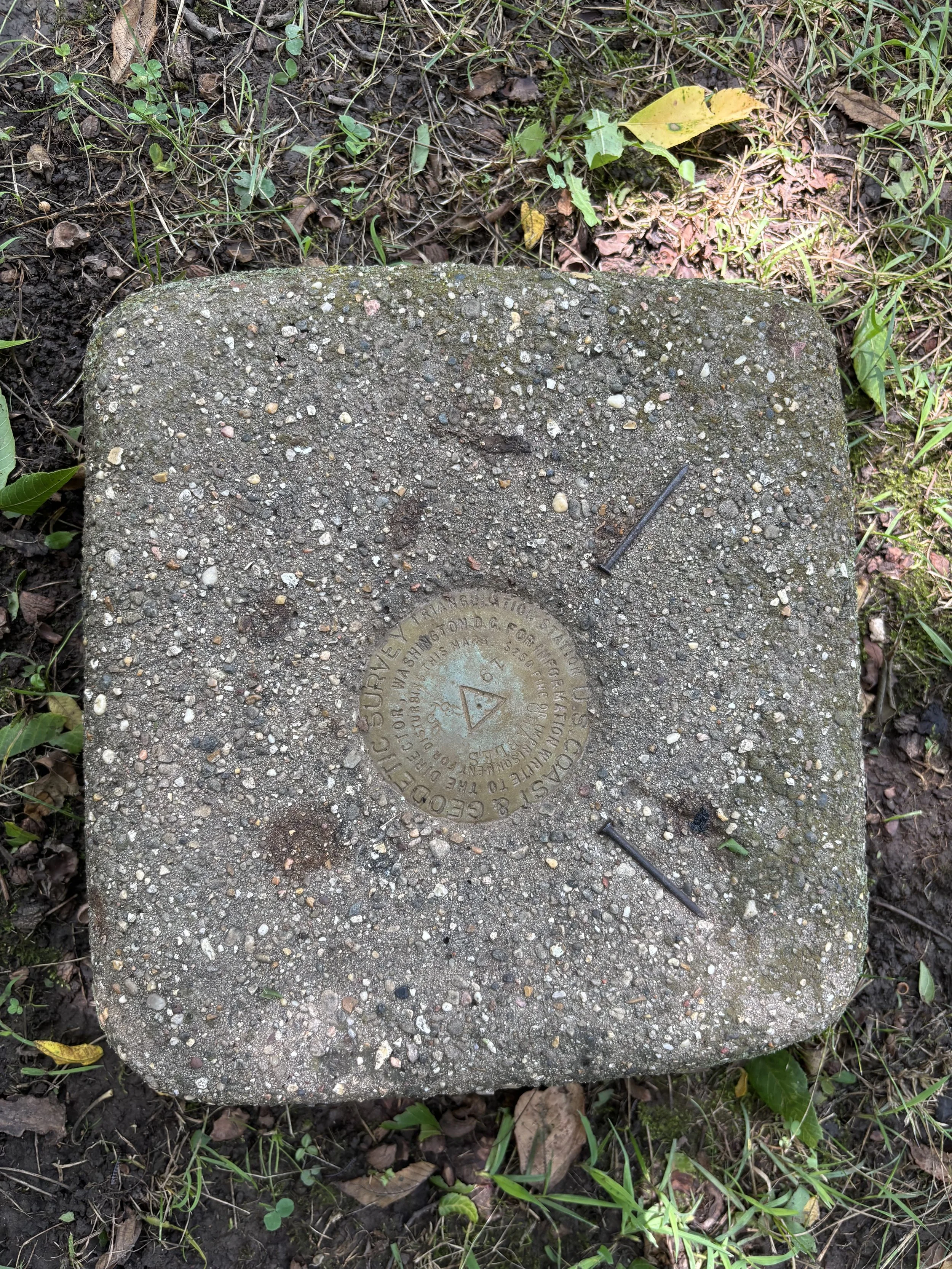
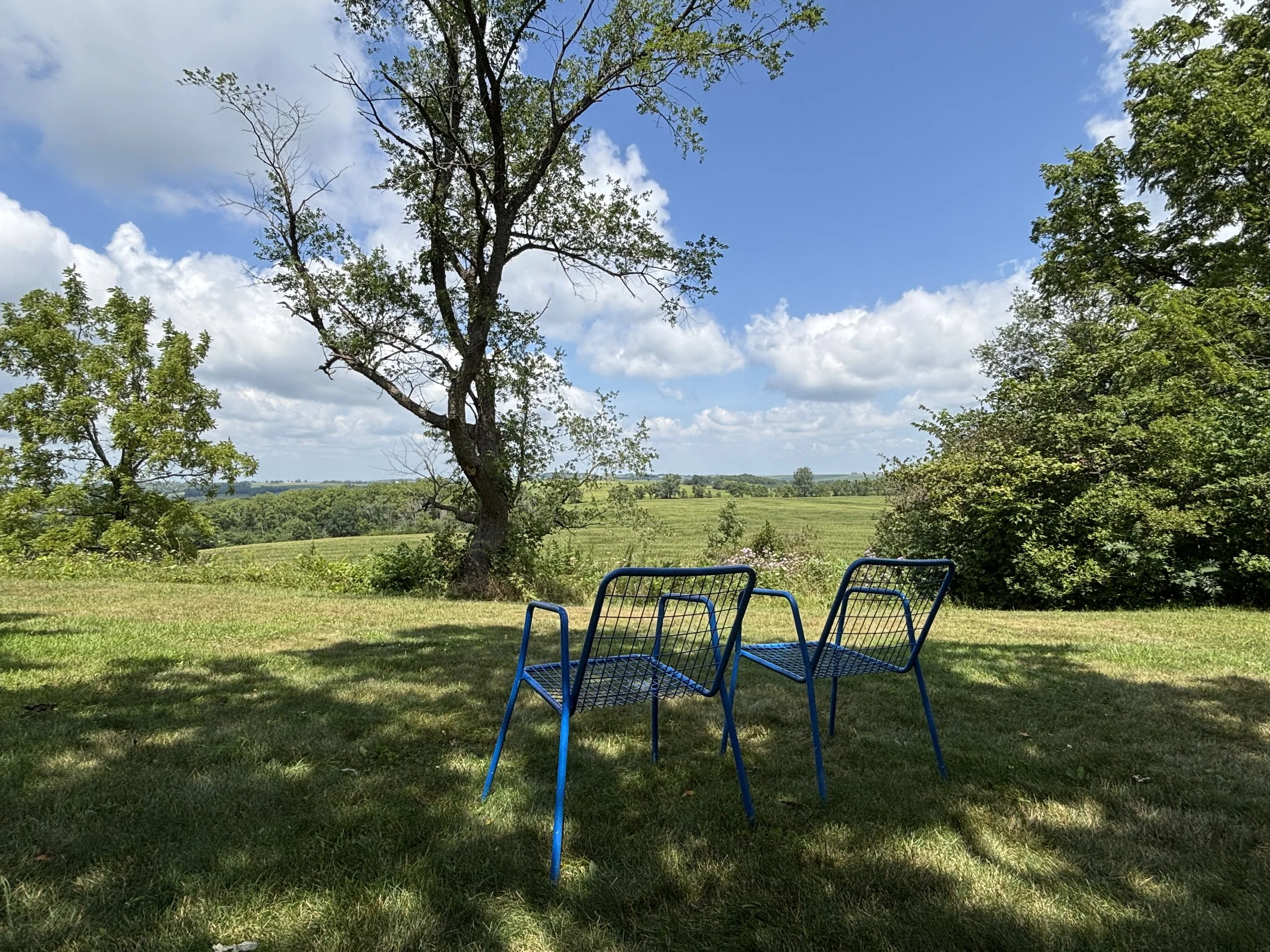
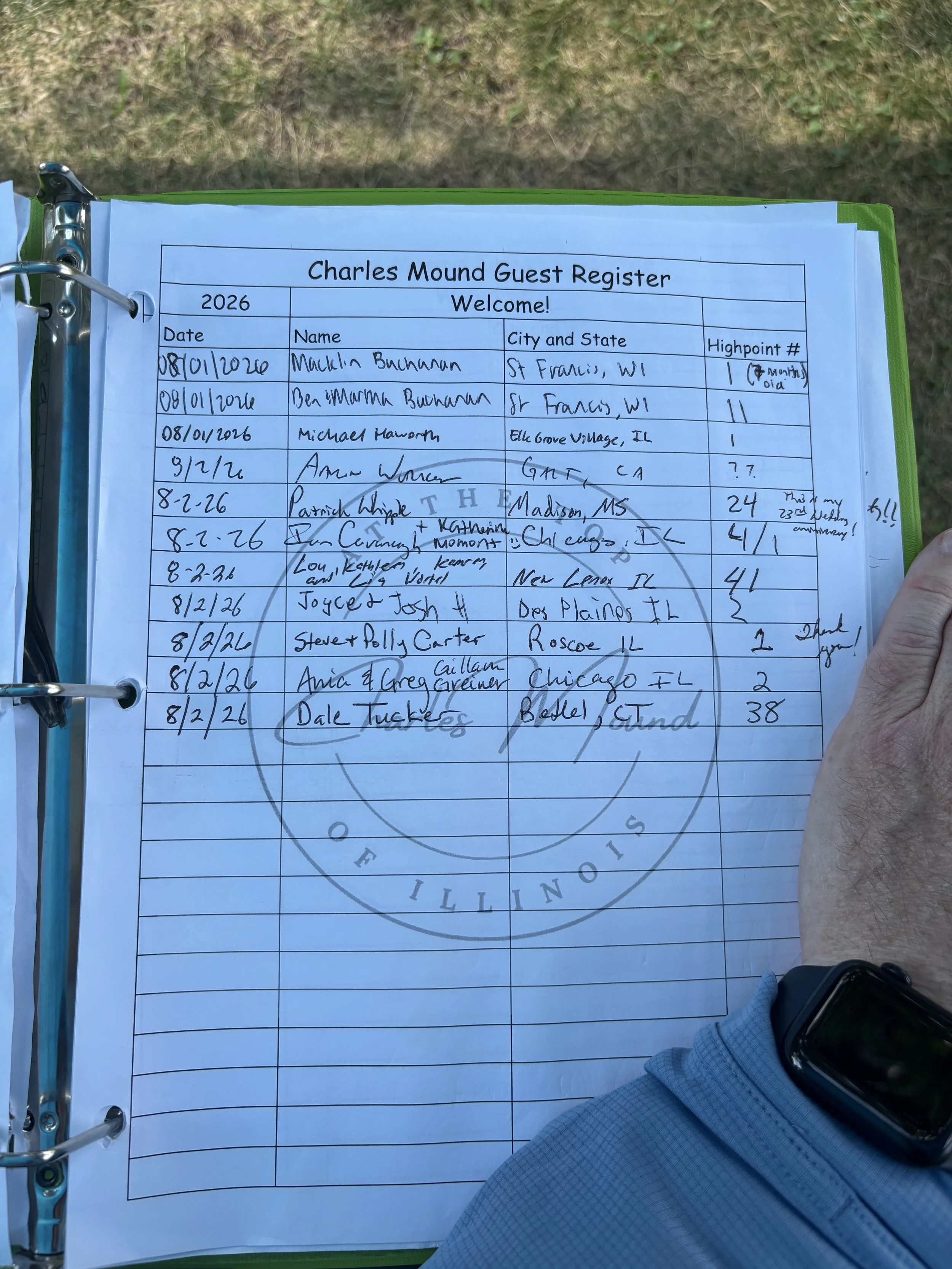
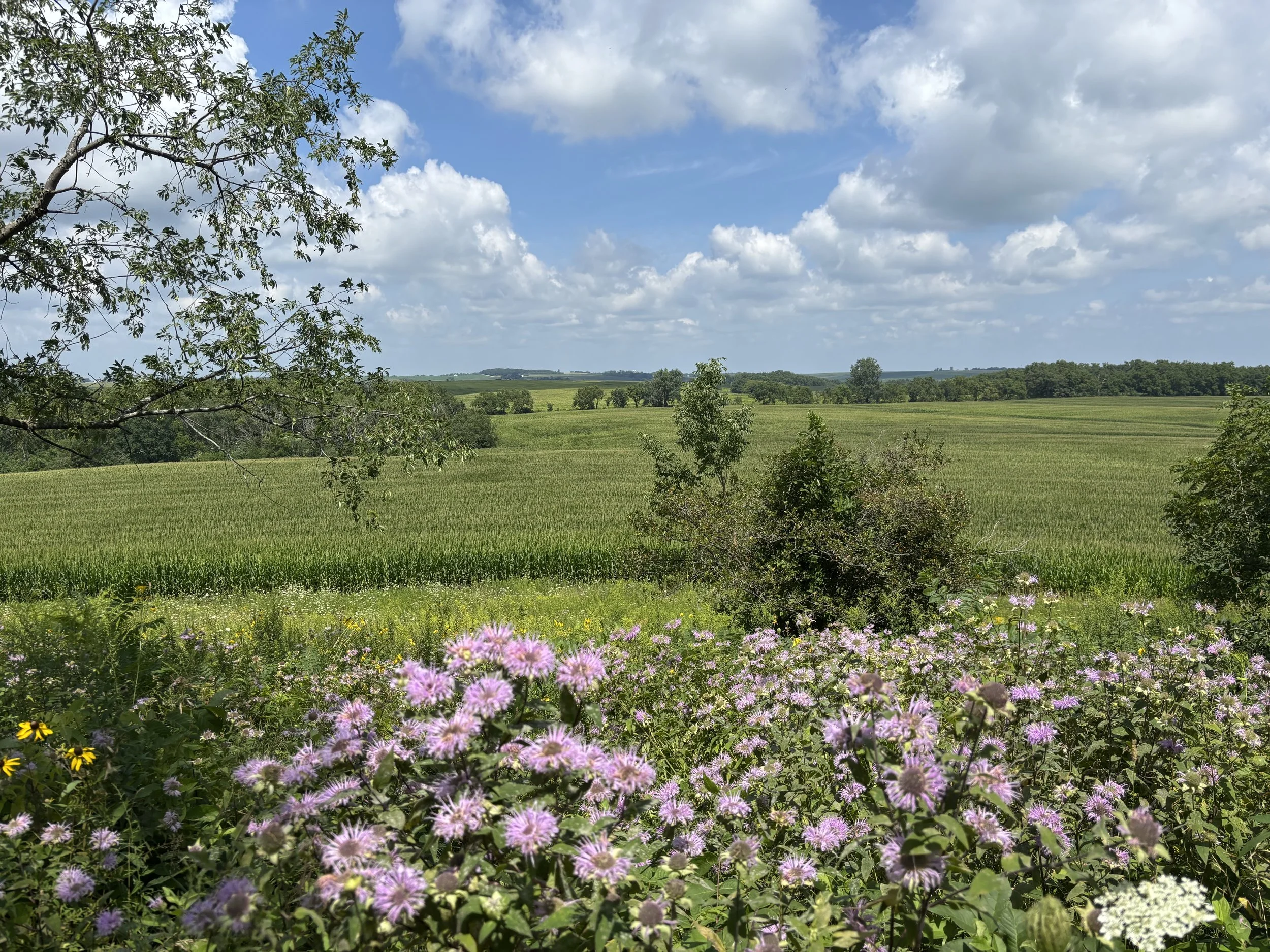
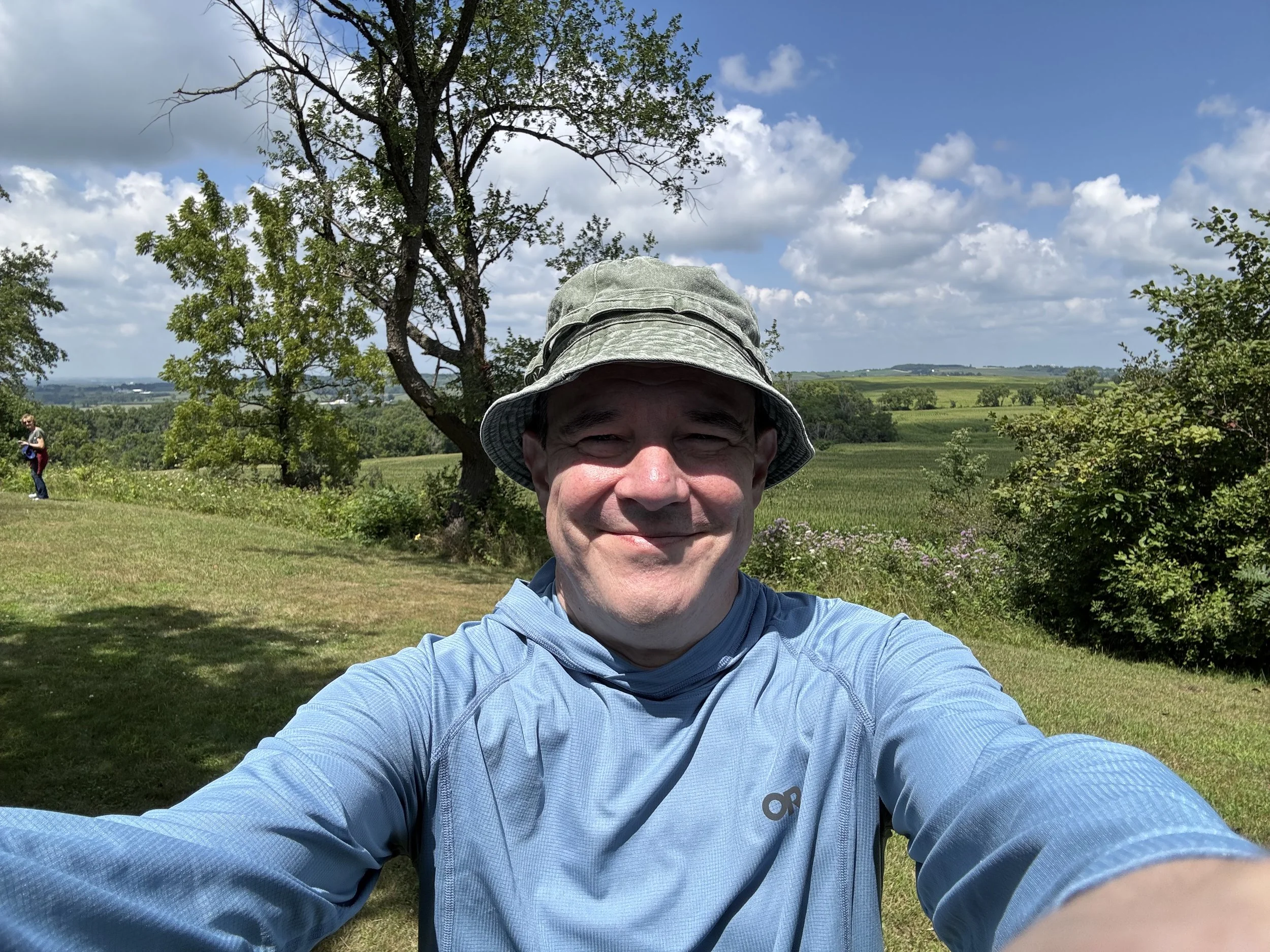
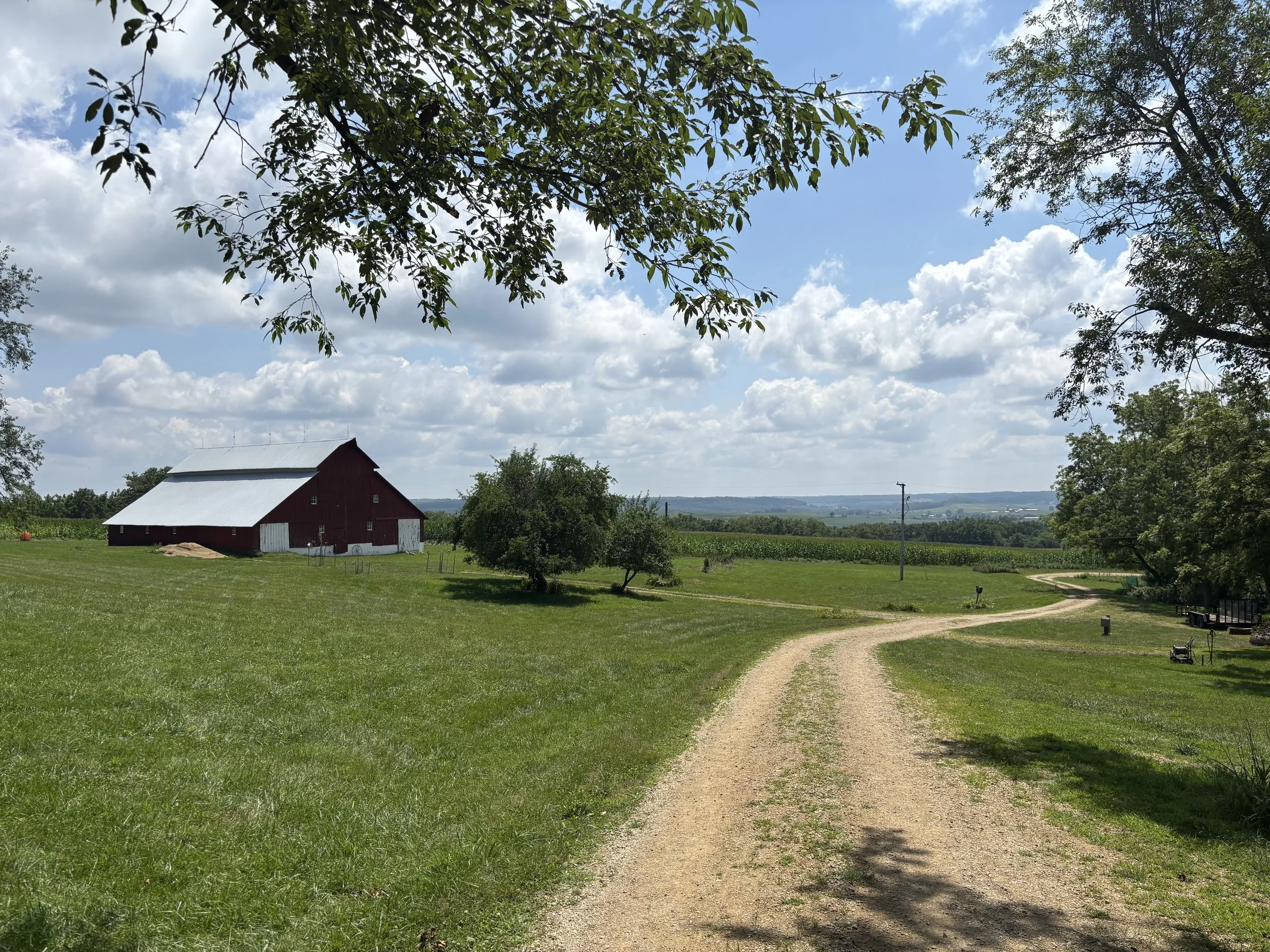
Rare fauna aside, the site was special enough on its own. A bench had been stationed at the summit for the weekend overlooking a verdant lookout over purple monarda and the agricultural fields stretching far beyond. The highlight for me was meeting the young couple who are now the owners, and who graciously consented to a goofy selfie.












#36 Dream
A kind of mystical air envelopes you as the Windy City passes far behind and the highway starts to split the cornfields of the Midwest. And then the Brigadoon summit of Charles Mound, open only five weekends each year, comes into focus, its famous fence, at last open, beckoning you in. A dreamscape indeed.